Skip to content

Posts tagged ‘food’

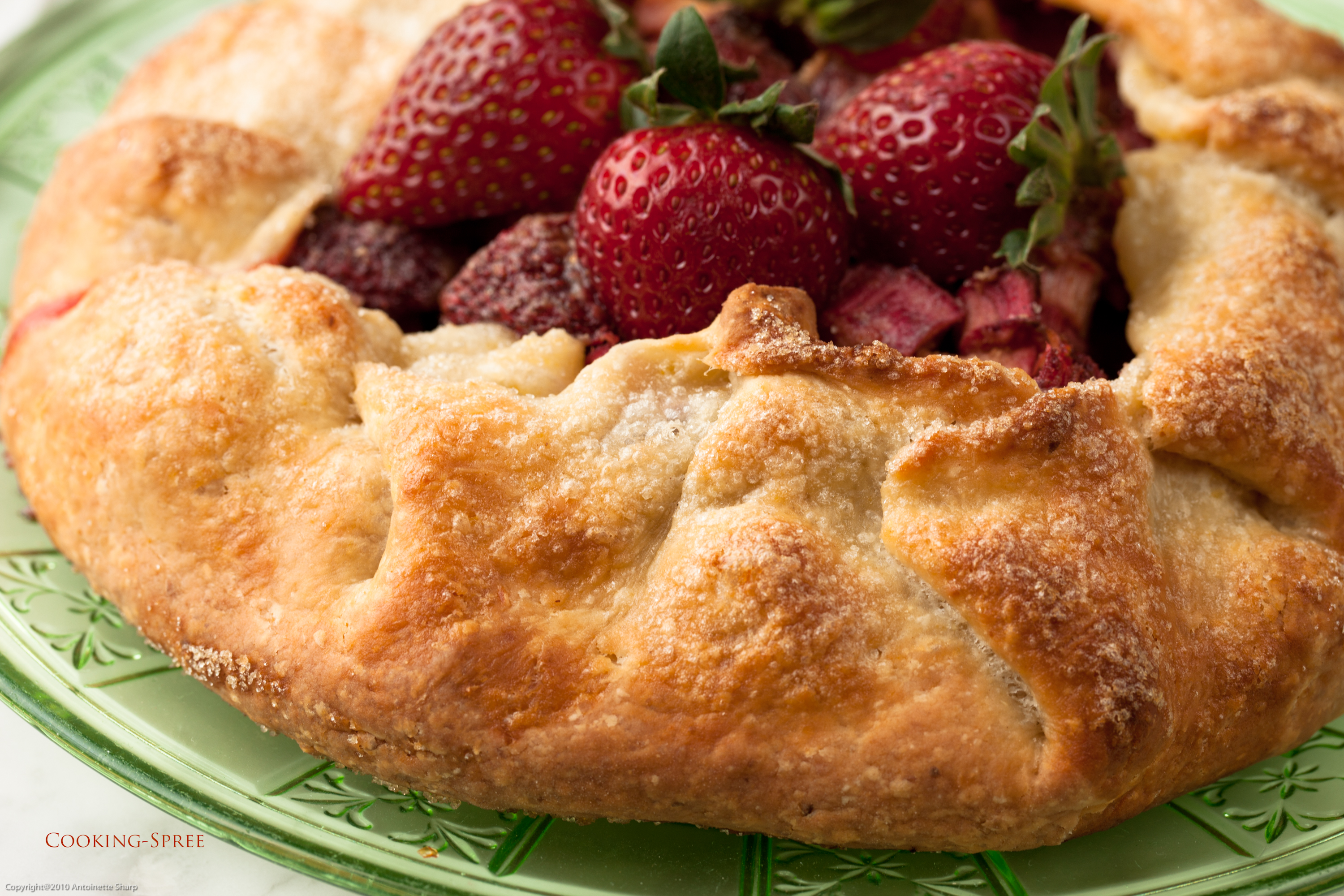
Strawberry & Rhubarb Galette

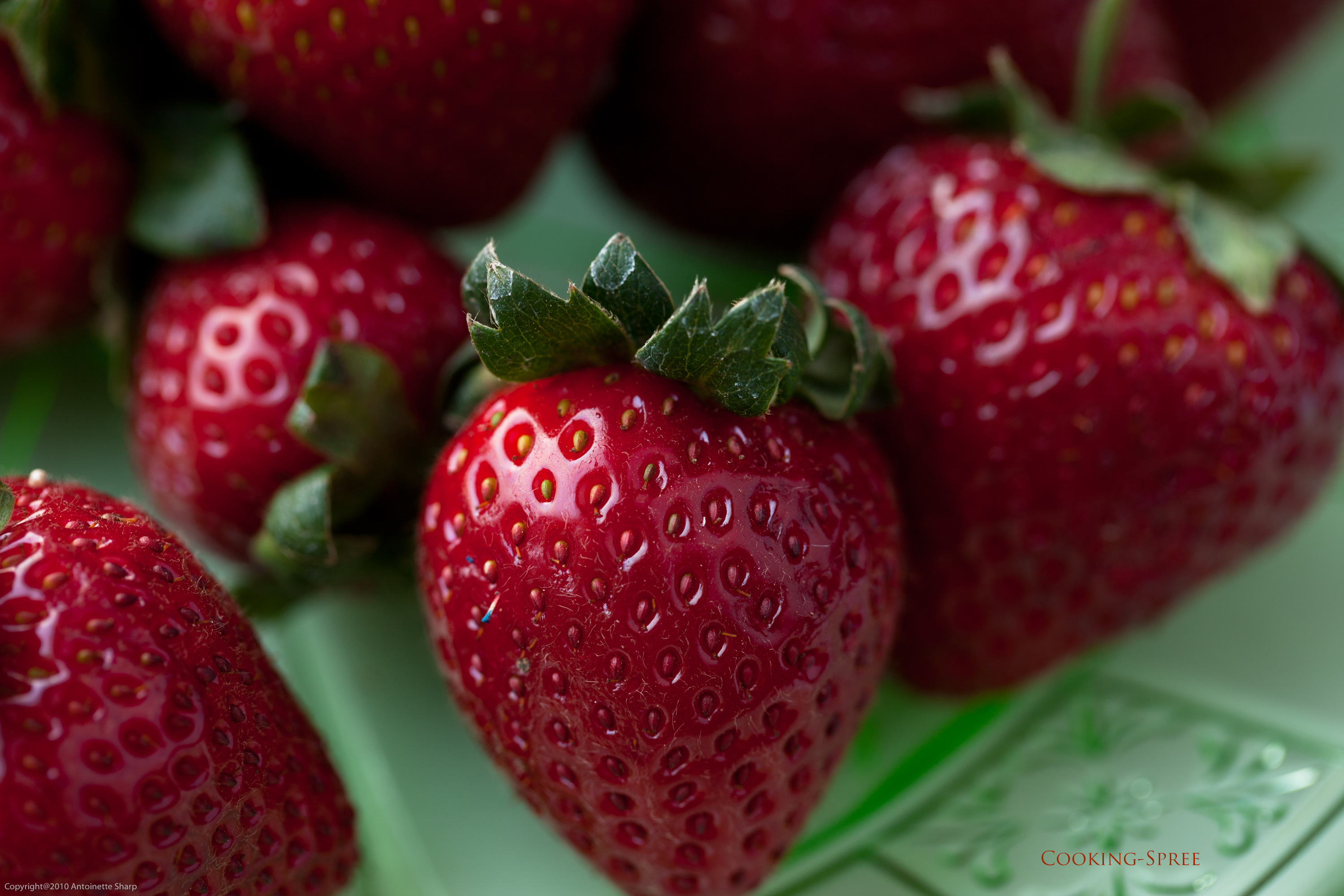
I had a bunch of fresh strawberries sitting on an old plate in a north window this morning as the sun came up. Dawnberries, I thought. And of course I had to bring my camera to where they sat. I can rarely leave anything this beautiful alone. The joy for me in cooking starts here, with beautiful fruit and vegetable shapes and colors. How shadows accentuate their plumpness. How water  makes their washed surfaces glisten.  How creases and dimples and stems and seeds tell the story of how they grew. What beauty crosses our paths in the ordinary, everyday act of putting a meal on the table!
(In the preceding post you’ll see how I came to choose this particular dish to share.)

Strawberry & Rhubarb Galette

For the dough, enough to make two 8-inch galettes:

(using a food processor)

  • 3 T. sour cream (or yogurt or buttermilk)
  • 1/3 cup (approximately) ice water
  • 1 cup all-purpose flour
  • 1/4 cup yellow cornmeal
  • 1 tsp. sugar
  • 1/2 tsp. salt
  • 7 T. cold unsalted butter, cut into 6 to 8 pieces

Stir the sour cream and 1/3 cup ice water together in a small bowl. Put the flour, cornmeal, sugar and salt into the bowl of a food processor fitted with the metal blade. Pulse to blend. Drop the butter pieces into the processor bowl and pulse 8 to 10 times, or until you have a consistency ranging from bread crumbs to pea-size pieces. With the machine running, pour the sour cream and water mixture through the feed tube and combine until the dough forms soft curds. (This will take just a short moment. You don’t want to over-mix, but you probably already knew that.)

Remove the dough from the processor and, separating it into two pieces, quickly shape each into a ball and then flatten to a disc. Wrap each separately in plastic and chill for at least 2 hours. (Alternately, put in the freezer for about 15 minutes.)

Remove from the refrigerator and with a light dusting of flour on your work surface, roll the disc into an 11-inch circle. (You may need to lift and add several light dustings of flour since the dough is very soft, and will roll out very thin.)

Storage of galette dough:  If you decide to only make one galette at a time, the remaining dough can stay in the refrigerator for a couple days; or, with parchment paper between them and wrapped air-tight, they can stay in the freezer for up to a month.
Read more

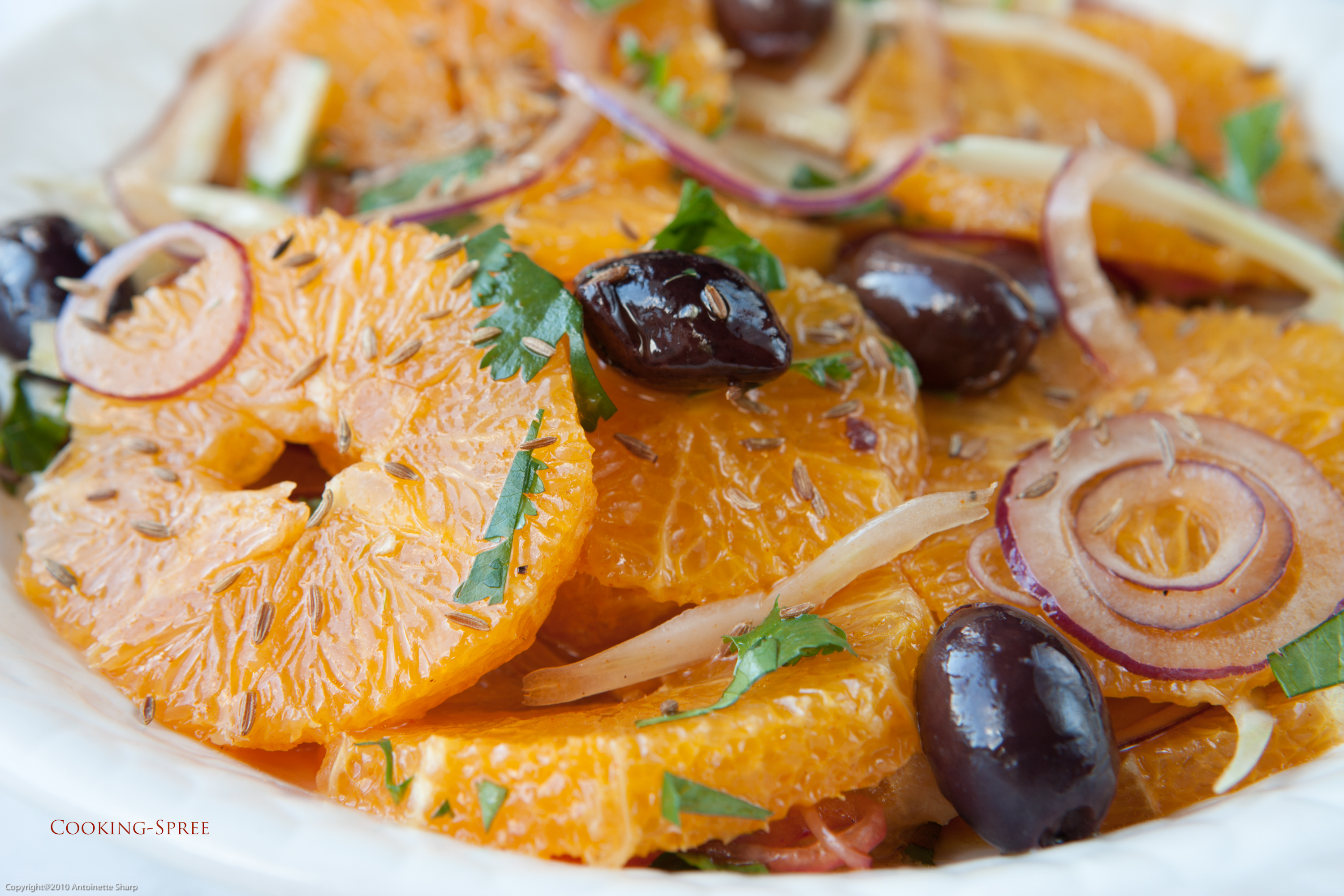
Moroccan Orange Salad with Red Onions & Black Olives

This salad from Morocco is colorful and refreshing, and perhaps unbelievably delicious. If you can be swayed by it’s somewhat unique beauty to try it (as I was), I believe you’ll return to it again and again. I quickly rinse the sliced onions to remove any of their biting sharpness. They mellow almost instantly and the flavors seem to all come together in perfect balance. This salad accompanied our skewered chicken, grilled asparagus and couscous for last night’s dinner. It’s also an excellent accompaniment to hot stews or highly spiced dishes, which is, I suppose, why Moroccans imagined it in the first place. (Recipes for the rest of dinner to follow.)

Orange Salad with Red Onions and Black Olives

(serves 4)

  • 3 fresh navel oranges
  • 1/2 – 1 red onion
  • 1 handful of black olives (12 or so)
  • 2-3 Tbl. olive oil
  • freshly squeezed juice of 1 lime
  • sea salt
  • 1 t. cumin seeds, roasted
  • 1/2 t. Spanish smoked paprika
  • 1 small bunch of cilantro leaves, coarsely chopped
  • Optional: fennel bulb – see below for variation

Roast the cumin seeds on medium-low heat in a small pan. Remove from pan and set aside to cool.   Read more

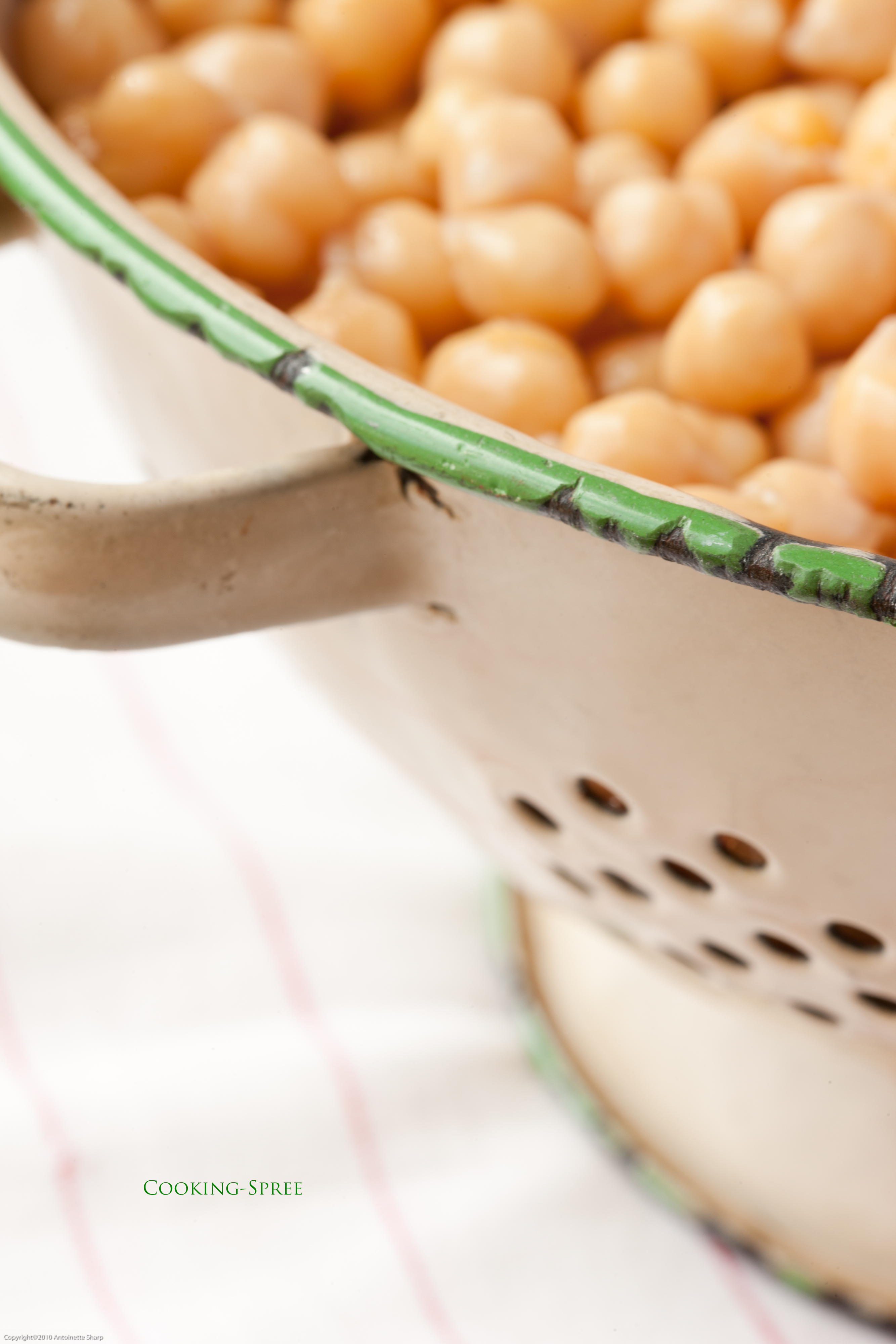
Hummus – revisited

My daughter Ashley and I laughed the other day about one of her childhood memories. She remembers gazing into the refrigerator, many more times than once, standing there long enough to get goosebumps, and concluding: there’s nothing, absolutely nothing, to eat here!  She said  that the only things we always had in the fridge were lemons and eggs. And though we had a genuine laugh over this the other day, I’m seeing the refrigerator through my little daughter’s eyes now and it’s something I so wish I could do over! It’s not that the refrigerator was near-empty. Aside from the fruit in the crisper though, it was never a storehouse of delights and ready-to-eats. I didn’t see it at the time, but I do now: our refrigerator was not a kid-friendly place.  It wasn’t that there was nothing to eat in there, but that just about everything required a Mama to put it together. Grocery shopping was for me one of those things I’d procrastinate over. I think that reluctance to shop made me more resourceful in the kitchen; but it didn’t make it easy on my girls. Neither did the fact that I didn’t buy junk food. About the time Ashley would sink her head though, sigh and walk away from the refrigerator, I’d jump to.  I’d become a dervish, and pulling things from the pantry and the refrigerator (things she hadn’t recognized as real food – and probably no kid would have) I’d manage to concoct something colorful and nummy…most of the time. I always tried to put love on the table…but I’m wishing now I’d put a little more of it in the fridge, within reach of my kids’ little hands.

I’ve learned and grown some since then (though I still always have  those eggs and lemons.) Like everyone, I have some stand-bys that, when the refrigerator begins to yawn, I employ. One of our favorites is hummus. Why? you ask. The first and best reason is simply that we really like it, a lot! But there’s another good reason (and you’ve already guessed it haven’t you!)  I always have on hand what it takes  to make it.  What can we do with hummus? A generous scoop on the plate, a crater in the middle, a good drizzle of olive oil. Whole-grain crackers or pita. A hard-cooked egg (clever, huh?), or maybe paired with some leftovers from the night before. A beautiful green salad, a little wedge of good cheese, a few olives, a glass of wine. No one complains. It’s what we do at our house when the cupboard is bare.

As good as hummus can be as part of a vegetarian meal, it’s also good as part of a vegetable appetizer; or with fish, or kebobs, or as a spread in a vegetarian sandwich.  I’m saving what I like best about hummus for last though. It ‘s a dip-able, scoop-able, ready-to-eat-able bowlful that kids know JUST what to do with. (What’s more, it’s the perfect consistency for drawing smily-faces.)

Read more

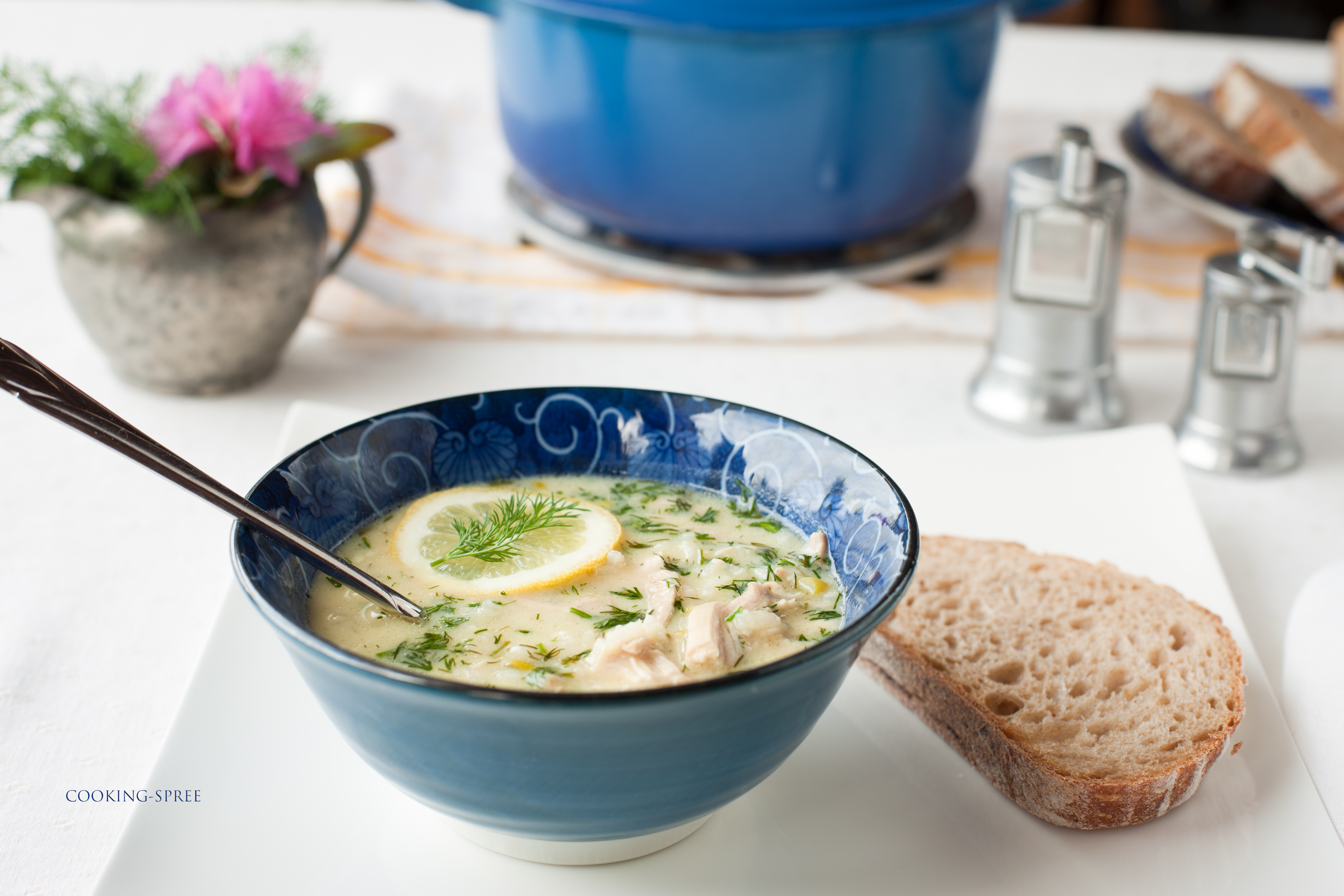
Chicken Soup with Egg-Lemon Sauce

It’s pitiful to beg, I know, but I’m coming dangerously close to it.  Just look over the recipe below, imagining the pairing of these ingredients, and you’ll want to try this soup. (OK, I want you to, but let’s not quibble.) This is one of those comfort foods, and – I’m fully convinced – a cure for what ails. It’s somehow “creamy” with no cream (thanks to the arborio rice.) It’s full of flavor, while still being gentle and so easy to eat. It’s aromatic (thanks to the generous amount of dill and the perfume of the lemon.) It’s a soup equally good in summer as in winter, so Spring would be the perfect time to prove it to yourself! Take the challenge – try this soup – you will not be disappointed! It’s positively kissable.

At the start of “Citrus Month,”  I promised you a soup from Yaya and Papou’s homeland. This is the one. In Greece, until fairly recently, chickens were considered a great delicacy. Except on important feast days, chicken dishes would have been reserved for children and the sick.  This chicken and rice soup, with an egg and lemon “sauce” stirred in at the last moment, was served as a much-loved, one-pot meal at Christmas.  Nowadays, I’d venture to say you can find this on any Greek restaurant menu – but please let me know if you’ve ever tried one better.

The secret to any good soup is in the stock, and this one is no different. If you’re pressed for time, you could use a pre-roasted chicken and a high-quality, store-bought (or previously prepared homemade) chicken stock – but the gentle, two-hour-long cooking of a whole chicken imparts the most delicate, silken of flavors to this broth. If you need to take the short-cut, about 2-1/2 quarts or so of good stock should prove about right, and the meat from about one-half of the chicken. (In either case, please use a free-range, organically fed bird.)

Chicken Soup with Egg-Lemon Sauce (Kotopoulo Soupa, Avgolemono)

(makes 4 to 6 main-course servings – or  6 to 8 for first-course)

  • one 3-to-4-pound free-range chicken, quartered, plus 2 pounds chicken backs, necks and/or wings
  • 1 large onion, halved
  • 2 medium carrots, peeled and quartered
  • 2 bay leaves (if your bay leaves are more than a year old, toss them and start new)
  • 10 – 12 peppercorns
  • 2 Tbl. olive oil
  • 5 scallions (white and most of the green parts), thinly sliced
  • 1 cup chopped fresh dill
  • 2/3 cup of medium-grain rice, such as Arborio
  • 2 large eggs
  • 4-6 Tbl. freshly-sueezed lemon juice
  • Salt and freshly ground black pepper

To greatly reduce the fat content of the resulting broth, and how much skimming is required, I like to start by first removing the skin and all visible fat from the quartered chicken. Remove the fat from the backs of the chicken as well. Place the chicken parts in a large pot and add enough water to cover. Bring to a boil and skim off any foam. Reduce the heat to low and add the onion, carrots, bay leaves, salt and peppercorns. Cover and simmer for two hours, adding a little more water if needed, until the chicken begins to fall from the bones.

Read more

Lenten Orange Cinnamon Cookies – Kourabiethes

Countless recipes for rich little cookies like these exist, and most cultures have their versions. Most of them are little round balls rolled in powdered sugar, but these take the shape of a crescent. Because it’s that time leading up to Easter, I thought I’d share with you the version that Greeks might be eating during this Lenten season. (Another version that I’ll maybe share with you later includes eggs, butter and Ouzo!) This one calls for margarine, though I always use butter in cookies. The addition of olive oil and orange juice, as well as almond extract, make these distinctly different and delicious.

Kourabiethes

(makes about 40 cookies)

  • 1/2 cup extra virgin olive oil
  • 1 cup butter (or margarine, but not lower fat versions!)
  • 2/3 cup powdered sugar
  • 1/2 cup orange juice
  • 1 tsp baking powder
  • 1 cup almonds, blanched, lightly toasted and chopped
  • 2 tsp pure vanilla extract
  • 1 tsp almond extract
  • 3 to 4 cups flour
  • ground cinnamon
  • powdered sugar for tops

Whip the olive oil, butter, and sugar with a stand mixer fitted with a wire attachment set on high speed for 3 minutes.

Read more

Orangettes – Candied Orange Peel Dipped in Chocolate

 Orange and dark chocolate! A show of hands – who loves this combination? For me, it ranks up there with the best of sweet culinary marriages!  I do want to warn you before we get started though that this is not something you’ll want to do if you’re in any way pressed for time; or if you’re one who shuns repetitive activities, (some prefer the word boring.) Every once in a while, some of us (with a higher tolerance for things slow) like to put on some happy music and wile away some hours playing in the kitchen with food. I had a day like that recently, and this is what came of it:

If I’d had some company, we could have danced a bit and the play would have been far more enjoyable – but then there would have been a witness to the “mistakes” that would mysteriously disappear.  So, you take the good with the bad. And these are good!

Orangettes – Chocolate-dipped Candied Orange Peel

This recipe can easily be halved, and for your first batch, you may be happier doing that. But once you’ve tasted them…a whole batch will do just fine. I’ve discovered that if you can draw the process out over two days, the final result will be improved. I candy the orange peel and roll in sugar the first day and let them dry overnight. The next day, it’s all about the dipping, and the cleaning up your mistakes.

Ingredients

candying the oranges:

  • 6 large navel oranges (always when you’re using the peel of any fruit or vegetable, it’s far better to use organic or unsprayed produce!)
  • 3 cups of sugar
  • 2 cups of water
  • 1 cup orange juice  (either store-bought or from the flesh of the oranges put through a strainer)
  • for rolling:
  • 1/2 up of regular granulated sugar or turbinado sugar (you decide – or choose both)
  • for dipping:
  • 10 ounces of bittersweet chocolate

Preparing the oranges: Read more

Why not Kumquats?

One simple salad I simply love has little slivers of bright and tartly fragrant kumquats in it. Have you never tried a kumquat? You should!

Green Salad with Kumquats, Avocado and Pistacios

Ingredients

  • Mesclun, mixed spring greens, or baby spinach (or lettuce of your choice)
  • Avocado
  • Kumquats (see NOTE)
  • Pistacios
  • Dressing – Cilantro-Lime Salad Dressing (in my post Cilantro-Lime Salad, today’s date.)

(You’ll notice that for green salads I don’t list quantities. Only you know how much you or those at your table will eat at one meal.)

Remove your pistacios from the shell. Chop them coarsely, or leave them whole, as you choose. (Or toss some whole ones in, and save the chopped ones for scattering over top.)

Wash and dry your lettuce.

Wash your kumquats, and slice them crosswise, as thinly as possible, removing the seeds as you go. (Yes, you DO eat the peel! In fact it’s all about the peel. Kumquats have been called the inside-out fruit – all the sweetness in the peel, the sour in the flesh.) For a salad feeding two, I use about a handful of kumquats.

Slice or chunk your avocado.

Combine your lettuce, the avocado, and kumquats in a salad bowl. Dress lightly with Cilantro-Lime dressing. Scatter with pistacios and serve.

NOTE: If you’re undecided on whether to try kumquats, I understand your hesitation, but maybe this will help: they’re little ovoids, somewhat smaller than a pecan; they manage somehow to be both hinting of sweet and smacking of tart; they smell vaguely like a daphne blossom, which is, if you didn’t know, heavenly; and they’re highly cute. What more could you ask for in a tiny fruit?

For a printer-friendly version of this recipe, click here.


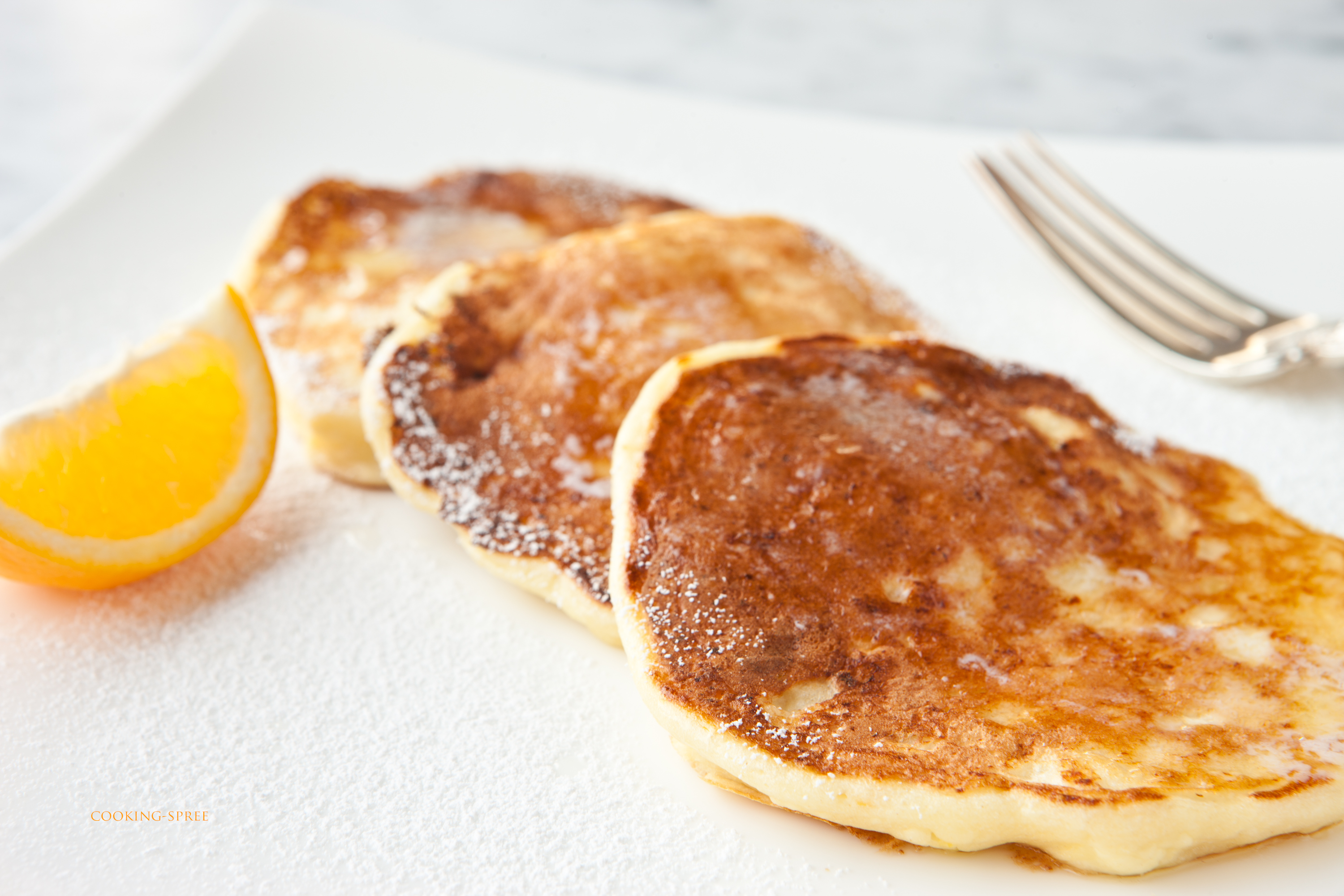
A slower, lemony breakfast

On a Saturday or Sunday morning, it’s such a delight to slow down the pace a little. Putzing a bit in the kitchen, and then savoring an extra cup of coffee or tea, with a plate of  tender, lofty, lemony cakes is one sure way to do it. Maybe a game of Scrabble with your honey, and you’re home free. Not all (and maybe not many) will want to go the extra step of making their own ricotta, but I promise, it’s only slightly more complicated than boiling milk. If you want to give it a try, I’ve included some instructions that you can access by clicking on the “CONTINUED…” link below. But using a good quality store-bought ricotta will do just fine. The photos here show these cakes virtually unadorned, and they’re simply, delicately delicious that way. (A pat of soft butter, a good squeeze of lemon, a dusting of powdered sugar. A fork.) But you can also serve them with a Blueberry Sauce (recipe below) or a berry syrup, or (can we possibly wait?) heaping spoons of slightly sweetened and sliced Oregon strawberries (I’m sorry – they’re simply the best on earth.) I enjoy maple syrup, but it’s not what I’d put with these. They’re much better complimented by fruit. You’ll see.


Lemon-Ricotta Pancakes

  • 9 ounces of ricotta cheese (1 cup + 2 Tbl.)
  • 1/2 cup milk
  • 2 large eggs, separated
  • zest of one lemon
  • juice of one lemon
  • 1/2 t. vanilla extract
  • 3/4 cup all-purpose flour
  • 1/2 t. baking soda
  • 1/4 t. fine salt
  • Extra fresh lemon for serving, or fresh fruit or berry syrup of your choice

Get ready: Turn your oven to 200°F and put your breakfast plates in to keep warm. Turn your griddle on to medium high. Then just before ladling out the batter for your cakes, brush the griddle with a little bit of neutral oil (such as canola or grapeseed.)

The batter: Separate the eggs, putting the yolks into a medium-size bowl, and the whites into a small one. Whisk the whites until frothy. (It’s not necessary to form peaks of them, but do get them white and full of air.) Mix the egg yolks with the ricotta cheese, milk, lemon juice and vanilla extract. In a separate small bowl sift together the flour, salt, and baking soda. Stir in the lemon zest. Mix the wet and dry ingredients until just blended. (Don’t over-mix or your tender little cakes will turn tough and mean.) Then gently fold in the frothy whites until blended.

Griddle: Spoon out the batter onto your greased griddle.  It’s best for these if you keep the size small – say, around 3 inches diameter. You may find it works best if you spoon out a little and spread it slightly so that it’s not too very thick. (Around 1/4″ inch or so.) That way, they’ll be golden brown outside and cooked fully inside. Do a test run of several cakes to see if you’re happy, and then go to town! Like all pancakes, they’re of course best straight from the griddle, but you can keep a stack of them warm in your oven under a towel for a short time without harm.

Serve: As I mentioned above, they’re perfectly flavored to my taste with just a little more lemon juice, some melting butter and a dusting of powdered sugar. But the Blueberry Lemon Sauce here is a very nice accompaniment too! Come summer though, these cakes will lose top-billing to the strawberries that will gorgeously smother them.

for a printer-friendly version of the pancakes, click here

Spree’s Lemony Blueberry Sauce

  • 1 cup frozen blueberries (I love the little ones for this)
  • 1 cup fresh blueberries
  • 3 T. water
  • 2 T. fresh lemon juice
  • 3 T. sugar
  • 1 t. lemon zest

Put the water, lemon juice and sugar into a small saucepan and stir until the sugar dissolves. Add the frozen blueberries and simmer for 5 to 7 minutes. Add fresh blueberries and lemon zest and simmer for about another 3 minutes. Serve warm.

for a printer-friendly version of the blueberry sauce, click here

To make your own ricotta cheese, please click on the “read more” link below…

Read more

A Fruity, Nutty Kind of Granola

I mentioned in an earlier post that we have two granolas we enjoy for breakfast. But this is the one full of memories and sweet associations.  This is the one we have a history with. It’s a rainy morning and I have a new batch baking now. The aromas floating through the kitchen take me back years and plop me down at an old wooden table, with its slightly creaky top – a table that was once “Yaya’s” and around which her four hungry boys gathered to be fed. (The third of these would one day be our Dad.) Many years later, it was the round, creaky table where my girls and I ate our meals and grew up together. Often our breakfasts would include small bowlfuls of creamy-smooth yogurt on which this crunchy granola was toppled, theirs with an extra shimmer of drizzled honey. We’d eat, planning our days, sometimes practicing spelling, finishing math or editing essays, chattering or giggling with mouths still full. There was a lot of happy around that table.

My daughters have the same honeyed aromas filling their kitchens these days, and new memories are forming in other cute little heads. In fact, today three little girls eat around that very same creaky-topped table, ambered and dented with years of living.

Even after all this time, my husband and I love when a fresh batch of granola is pulled, all crackly hot, from the oven. We can barely wait for it to cool. I suppose by now it’s obvious, this is the granola we favor.

Spree’s Golden Granola

Preheat oven to 300°F.  Into an ample-sized glass or metal cake pan, scoop the following:

  • 3 cups rolled oats (the slow-cooking, old-fashioned sort)
  • 1 cup unsweetened coconut, shredded (see NOTE)
  • 1/2 cup chopped raw almonds (or hazelnuts)
  • 1/2 cup raw sesame seeds
  • 1/2 cup unsweetened raw wheat germ
  • 1/4 cup of ground flaxseed (optional)
  • To the above ingredients stir in
  • 1/2 cup honey (or real maple syrup, or 1/4 cup of each)
  • 1/4 cup canola oil
  • Stir to combine well, and then add
  • 1/2 cup raw sunflower seeds

Pop the pan into your oven and plan on cooking for about an hour (though it may be to your liking in less), stirring every 15 minutes or thereabouts to toast it evenly.  When it’s the kind of crunchy that suits you, remove and cool.  Once cooled, add a total of

  • 1 cup or so of dried fruits

My favorites: 1/2 cup dried apricots, chopped raisin-size (I have a strong preference for Trader Joe’s apricots, full of tangy flavor); 1/4 cup dried cranberries; and 1/4 cup or more of raisins.  But I also like dried cherries or blueberries in place of one or two of the others. Make it as fruity as you like.  Like all good granolas, it’s nice on yogurt with fresh fruit, or in a bowl with milk, or out of the hand for a quick little munch.

NOTE: The coconut you’ll see featured here is from Bob’s Red Mill – these ribbons of coconut look pretty, toast up beautifully, and put a distinct bite of coconut in your mouth.

~ ~ ~

for a printer version of this recipe, click here.

~ ~ ~

Spicy Candied Pecans (or Walnuts)

Here’s another one of the appetizers served at our Beat the Winter Blues Party .  I’ve tried a number of recipes for candied nuts over the years, but my favorite is this.  (Judging from responses to these sweet and savory bites, I’m not alone.) I’ve made it with both pecans and walnuts, and though I love walnuts, pecans definitely have the edge here – something about their sweetness offset by the savory heat of the spices is just right.

Spicy Candied Pecans

Preheat oven to 350°F.

  • 4 cups pecans

Spread the nuts in a shallow pan (either a broiler pan or a jelly roll pan will do.)  Roast for 8 minutes.

Remove from the oven and drizzle on to the hot nuts…

  • 1/4 cup maple syrup (grade B is darker and has a bit more maple-y flavor)
  • 1/4 cup brown rice syrup

Stir to coat well, and then pop them back into the oven to roast another 10 minutes.

While the nuts are roasting, in a small bowl mix together:

  • 2 T. sugar
  • 1 t. ground cumin
  • 1/2 t. chili powder
  • 1 t. salt (or 1-1/2 if using Kosher)
  • 2 t. paprika
  • 1/8 t. (to as much as 1/4 t.) cayenne pepper

Place a piece of parchment paper on the counter and wait – (have you noticed that smell in your kitchen? ah!) When the nuts come out of the oven for the second time, quickly sprinkle the spices over them and mix well to coat.  Quickly spread the candied nuts onto the parchment paper to cool, breaking the clumps apart with your fingers when they’re just cooled down enough to touch.  Store airtight. (These make a nice gift too, in a pretty container or vintage jar.)

Serving suggestions:  These are absolutely wonderful in a salad.  I’ll give a favorite salad to utilize these nuts in an upcoming post.  You can chop them up and roll a log of chevre over them and serve with crackers or crusty baguette.  Or chopped and scattered over green beans or yams or – .  And always as they are, straight from the jar, with nothing but your fingers.

This recipe came by way of my dear friend Carolyn, and to her, from another friend. That’s the way it goes with good eats.  The original recipe called for corn syrup.  I’ve replaced it with brown rice syrup, and not only is their taste improved (yes, hard to believe), but they’re crunchier and healthier too!

~ ~ ~

For a printer-friendly version of this recipe, click here

~ ~ ~