Skip to content

Posts tagged ‘recipe’

muffin madness

It’s time I told you of some plans. On Wednesday April 4th I’ll be heading out of town, gone for 9 days. Gone to meet, to hold and to fall in love with our family’s newest and littlest little. Besides nuzzling of soft powdery neck and losing my heart again, I’ll be preparing some meals, hiding-and-seeking, story-telling and tending to Ali, the  littles’ mama.

In anticipation, yesterday was largely spent in the kitchen, making muffins (and more & more muffins) and two batches of granola. We’ll all be pretty busy at breakfast time, so a bowl of yogurt topped with fruit and crunchy granola, or nutritious muffins in one hand and baby in the other will put us one leg up on the day.

GratefulGuineaPig is out of town and comes home in the afternoon of the same morning I leave. Our ships will pass in the night, so I’ve left him some muffins for breakfast too.

Earlier I posted a recipe for the Morning Glorious Muffins. You can find them here.

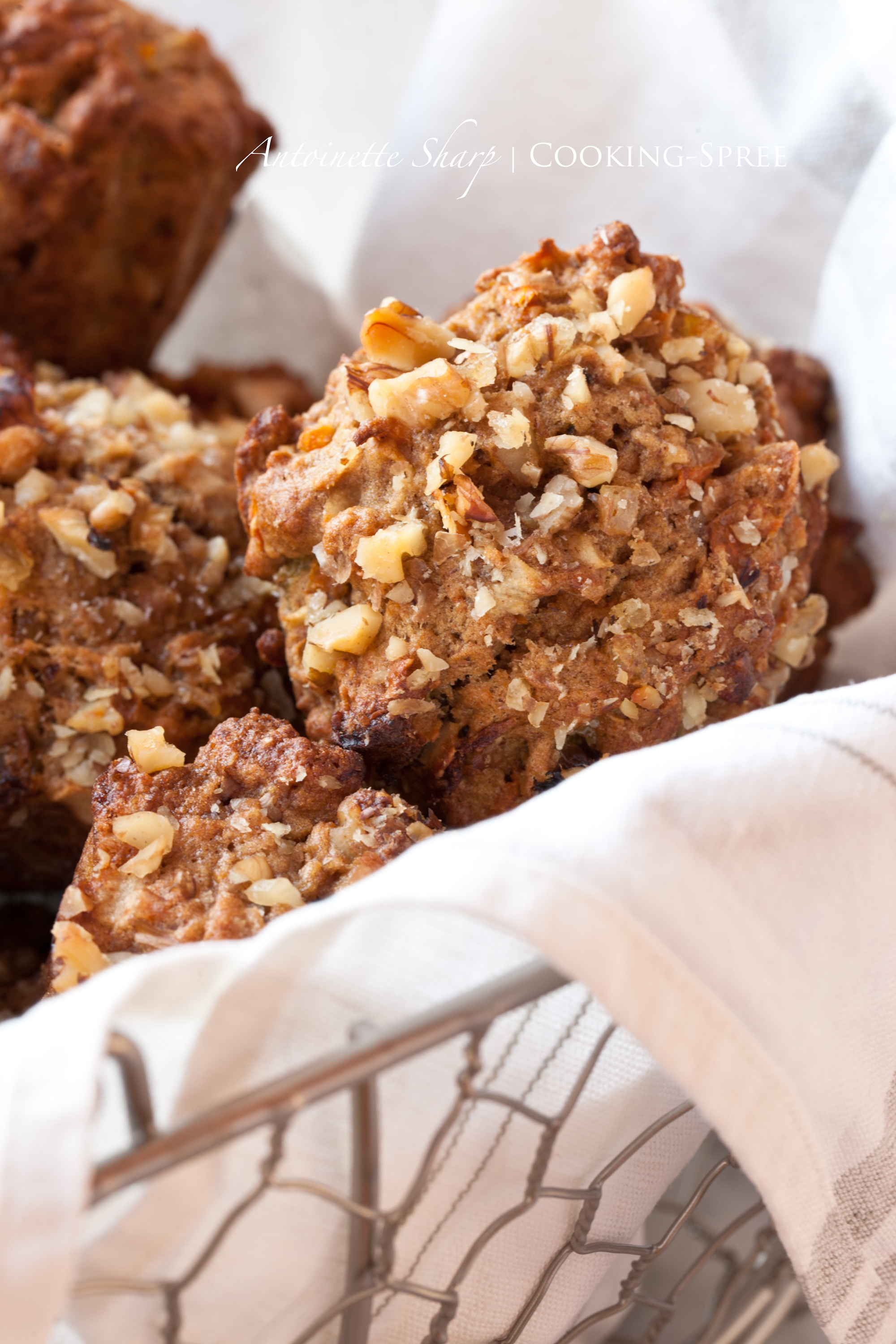
In the basket, Morning Glorious Muffins.

Earlier I posted a recipe for the above muffins. You can find them here.

But the muffin I’m about to share with you is ta-da   G l u t e n   F r e e.  That matters to an increasing number of eaters out there. And what I’m discovering in sampling some of these g-f recipes is that the baked goods that result are extremely Tender & surprisingly Delicious! A number of them win the taste test over traditional flour recipes, with hands tied behind their backs. (I’d have lost good money if I’d bet on that one.) Here’s one plucked from the pages of La Tartine Gourmande that I thought you’d like!

Millet, Oat & Apple Muffins

 Made with a combination of flours –

Quinoa flour – wheat-free, gluten-free, an ancient grain that adds a richness of flavor as well as a complete protein.

Millet Flour – one of the earliest cultivated grains (5,000 years ago in China!) it has a sweet flavor, high in amino acids and fiber and contributes a delicate, cake-like crumb to the baked goods it’s in. Again, easily digested and gluten-free.

Add in Gluten-Free Rolled Oats, tahini, grated apple, and this muffin packs a nutritional wallop and starts the day off right. 

Millet, Oat & Apple Muffins – Gluten-free

makes 10 muffins

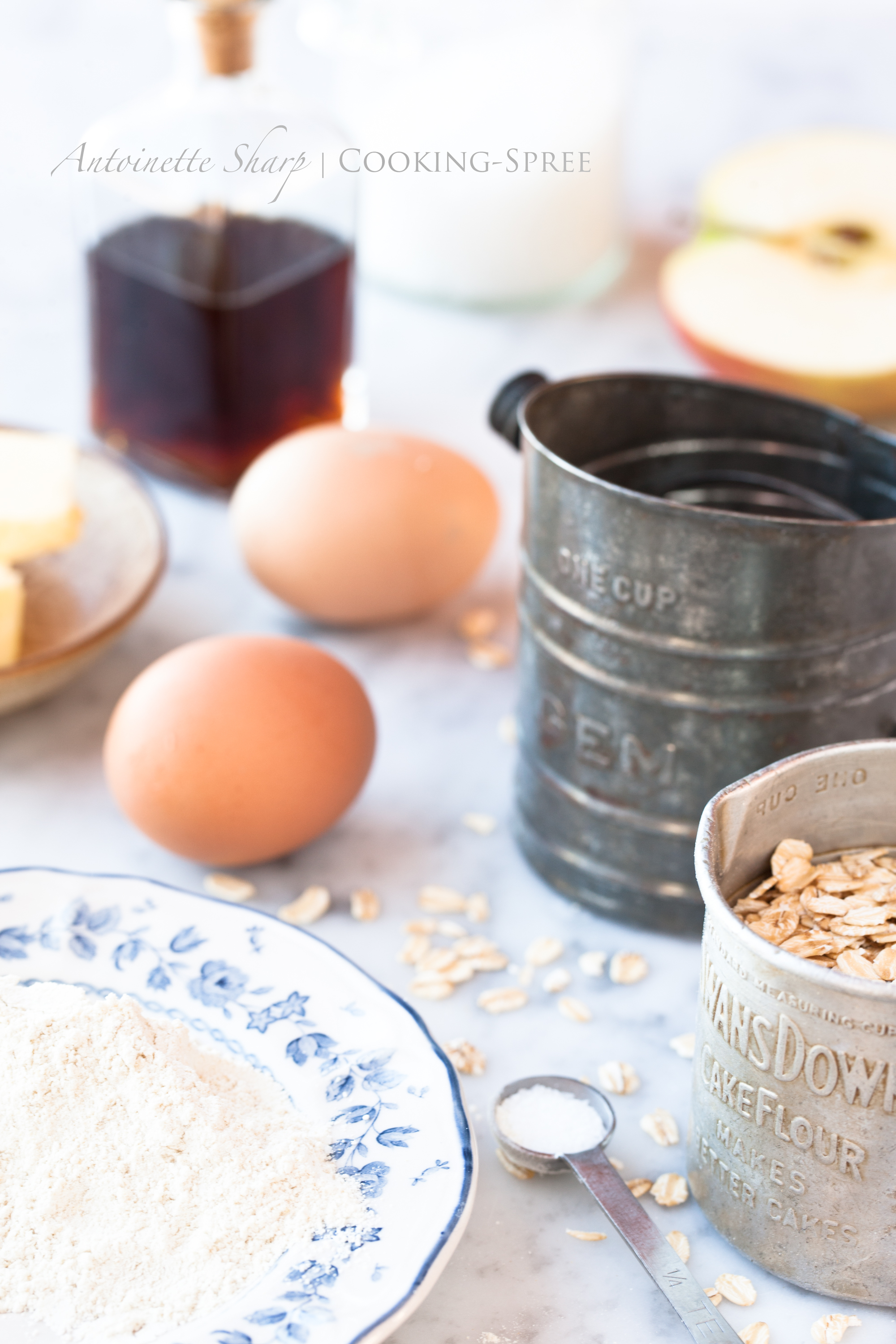
  • 2 large eggs
  • ½ cup (80 g, 2¾ oz.) Muscovado sugar (or substitute with brown sugar)
  • 2 Tablespoons tahini (sesame butter)
  • 3½ tablespoons (50 g) unsalted butter, melted
  • 1 teaspoon pure vanilla extract
  • ½ cup (60 g, 2 oz) millet flour
  • ¼ cup (30 g) quinoa flour
  • ½ cup (50 g) rolled oats, plus more for topping
  • Pinch sea salt
  • 1 teaspoon baking powder
  • ½ teaspoon baking soda
  • 1 cup (175 g, 6 oz) finely grated pink lady apples or substitute (peeled & cored)

Preheat oven to 350°F (180°C). Line a muffin tin with 10 paper muffin cups, or use silicone muffin molds.

Read more

a braided bread for special occasions – made easy with a food processor

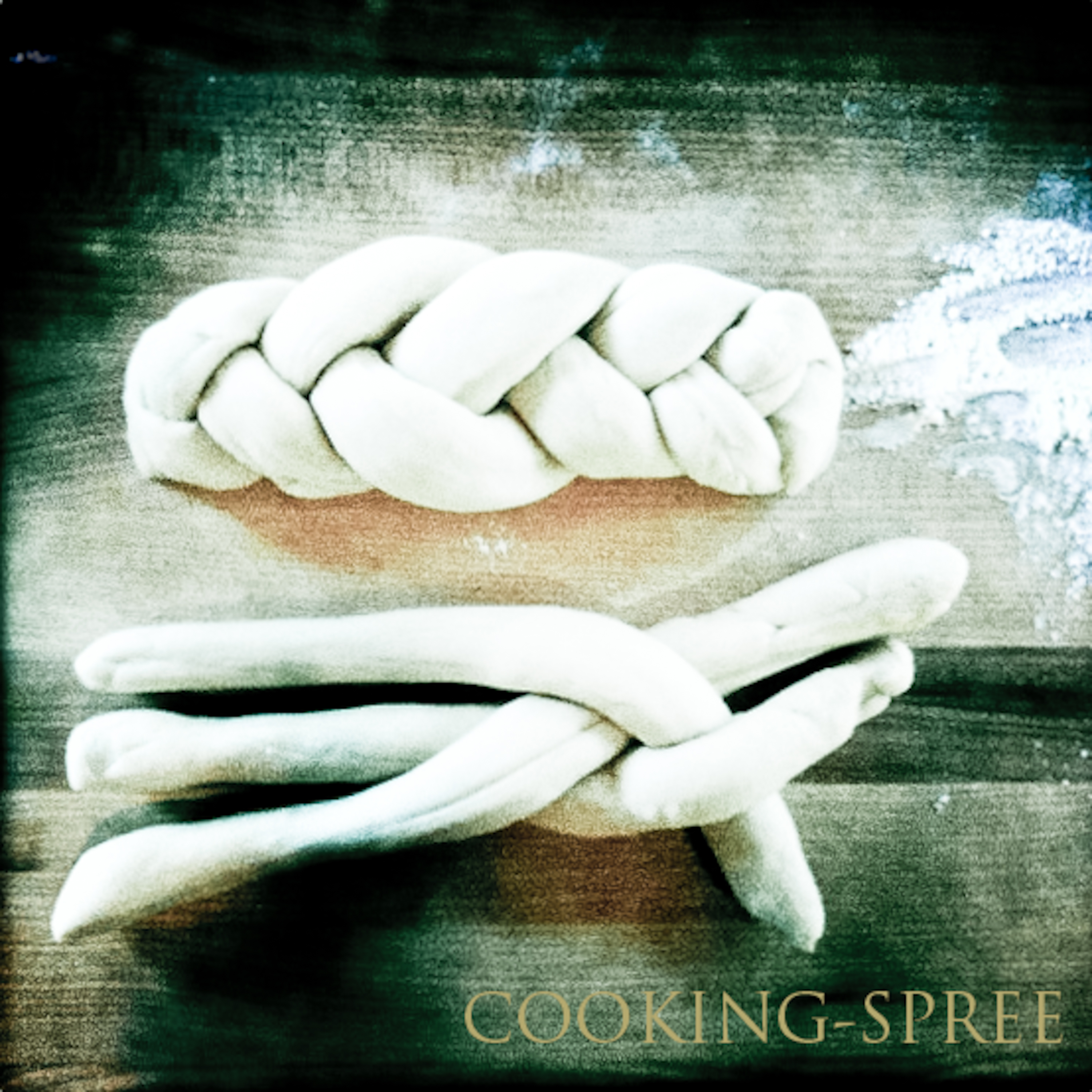
This bread has been a favorite around our house for years. There’s hardly ANY time at all in the actual preparation. No muscles required, no sporty (red or otherwise) stand mixer to pull out of its cupboard. Just a food processor and a couple simple ingredients and you’re in the bakin’ business. Of course, like all yeasted breads, there’s time spent loitering around. You design what form your loitering will take, but here’s how to make the bread – so easy, you might confuse it with play. First, I’ll give of all the instructions for the basic braided loaf (in the style of Challah, a Jewish egg bread.) Then I’ll show you how to adapt it so as to end up with a Greek-style festive Easter bread.

Glaze

1 large egg

½teaspoon salt

Bread:

 1 scant Tablespoon dry Yeast (1 pkg)

3 Tablespoons Sugar  

2/3 cup Water (105° to 115º F) —See NOTE 

Bread Flour – 3 cups (15 ounces, 425 g) or more

¼ cup Safflower or other neutral-tasting oil — See NOTE on Ingredients

2 large Eggs

1 teaspoon Salt

Poppy or Sesame seeds (optional)

________

NOTE: Milk brought to temperature may be substituted for the water. Melted butter may be used in place of the oil. Both of these substitutions will result in a richer loaf.

Braided Bread

(makes 2 loaves)

In the bowl of the processor, whir the egg and salt together, then pour into a small cup and reserve. No need to wash the work bowl.

Read more

Easter bread – a Greek tradition

This is the bread traditionally made for Greek Easter, and much like the one our Yaya would bring to the table.

Yaya’s kitchen had a converted wood oven, marbled-linoleum floors, tall ceilings covered in tin tiles, and smelled like nothing you’ve likely ever breathed — but should have! I remember, as a young girl, standing in her kitchen, watching in utter fascination as she – wearing an apron over one of her always-black dresses –  would gently wrestle huge batches of dough, her stocky arms covered in flour, her hair wound in blonde-white braids around her head, her face serene. Four boys in that family, and they ate a lot of bread. And we did too, whenever we visited our Yaya and Papou.

I don’t have my yaya’s recipe for bread. But Yaya didn’t have or use recipes. How to make bread was in her body somewhere. She didn’t think it or measure carefully. She poured from glass bottles, scooped with bare hands, smelled and felt and knew when things were right.

This isn’t Yaya’s recipe, but it’s as close as I could come. It’s a brioche-type loaf – tender-crumbed, buttery, with a hint of anise and orange, absolutely delicious. The red egg is optional of course, but quite pretty nestled in its sesame-strewn, braided nest. If you decide to use one in yours, insert it between the twisted or braided ropes after it’s risen but before the egg-wash and sesame seeds have been added. You can insert the egg either uncooked or hard-boiled, but it’s typically not eaten after its baked with the bread.

In a separate post to follow tomorrow, I’ll be sharing a recipe for a – quick & easy – alternative to this loaf.  It’s a Challah that I’ve made for years using the food processor, but with slight variations for this occasion.) 

Easter Sweet Bread – Tsoureki

the recipe can be doubled for 2 Tsourekia

  • ½ cup warm water
  • the zest from 1/2 large orange
  • 1 Tablespoon extra virgin olive oil
  • ½ cup warm milk
  • ½ cup unbleached white flour
  • 1 Tablespoon sugar
  •  1 Tablespoon active dry yeast
  • ½ teaspoon salt
  • ½ cube unsalted butter (1/4 cup) – melted
  • ¼ cup plus 2 Tablespoons sugar
  • 1 extra large egg, well-beaten
  • ½ t. anise extract
  • 2½ to 3 cups unbleached white flour
  •  1 egg white, well beaten
  • sesame seeds for the top
  • 1 red-dyed Easter egg (optional)

Using a microplane zester if you have one, remove only the zest of ½ orange.  Finely chop the zest and add it to the warm water and olive oil in the bowl of your mixer. Add the warm milk and combine well with a whisk. (It’s important that the zest be very fine here so as to fully infuse the bread with delicate flavor, but no chunks of peel. If you don’t have a microplane, I recommend you put the first three ingredients in a blender first, then add them, along with warm milk, to the bowl of your mixer.)

In a separate bowl, combine the ½ cup flour,  1 T. sugar, the yeast and salt. Add slowly to the wet mixture of the previous step, whisking as you go, until all is well-combined. Set in a warm draft-free place to proof for 20 minutes.

Fit the stand mixer with paddle attachment and return the bowl to the mixer. Turn on low speed, and slowly add the flour. (Yaya knew the amount of flour is always variable in a bread recipe. It’s going to depend on how you measure both wet and dry ingredients, the humidity, the size of your eggs, etc. Last time I made this, it took nearly 3 cups, but if you add too much, your bread will be lacking in tenderness, which would be such a shame!  Add the final ½ cup gradually, as needed. You’ll want to add enough flour so that the dough pulls away from the sides of the bowl and starts to rise up on your beaters.The final dough should have the feel of a baby’s soft bottom. If that helps??  It’s really not tricky!)

Increase the speed of your mixer slightly and knead for 4 minutes until the dough becomes silky.  (If you don’t have a stand mixer you can do all of this by hand. Because there’s no whole-grain in this recipe, this is not a difficult one to knead – and there are times when kneading just feels so right!)  Take the dough and all its little bits from the bowl, form into a nice ball and return it back to the bowl to rise. Cover  and set in a warm place to double – about 40 minutes. (One nice environment is in your oven – no heat! – just fill another bowl with hot water and put it inside the oven along with your bowl of dough. Or you can rest it on a sunny ledge – if you live in one of those places where the sun shines!)

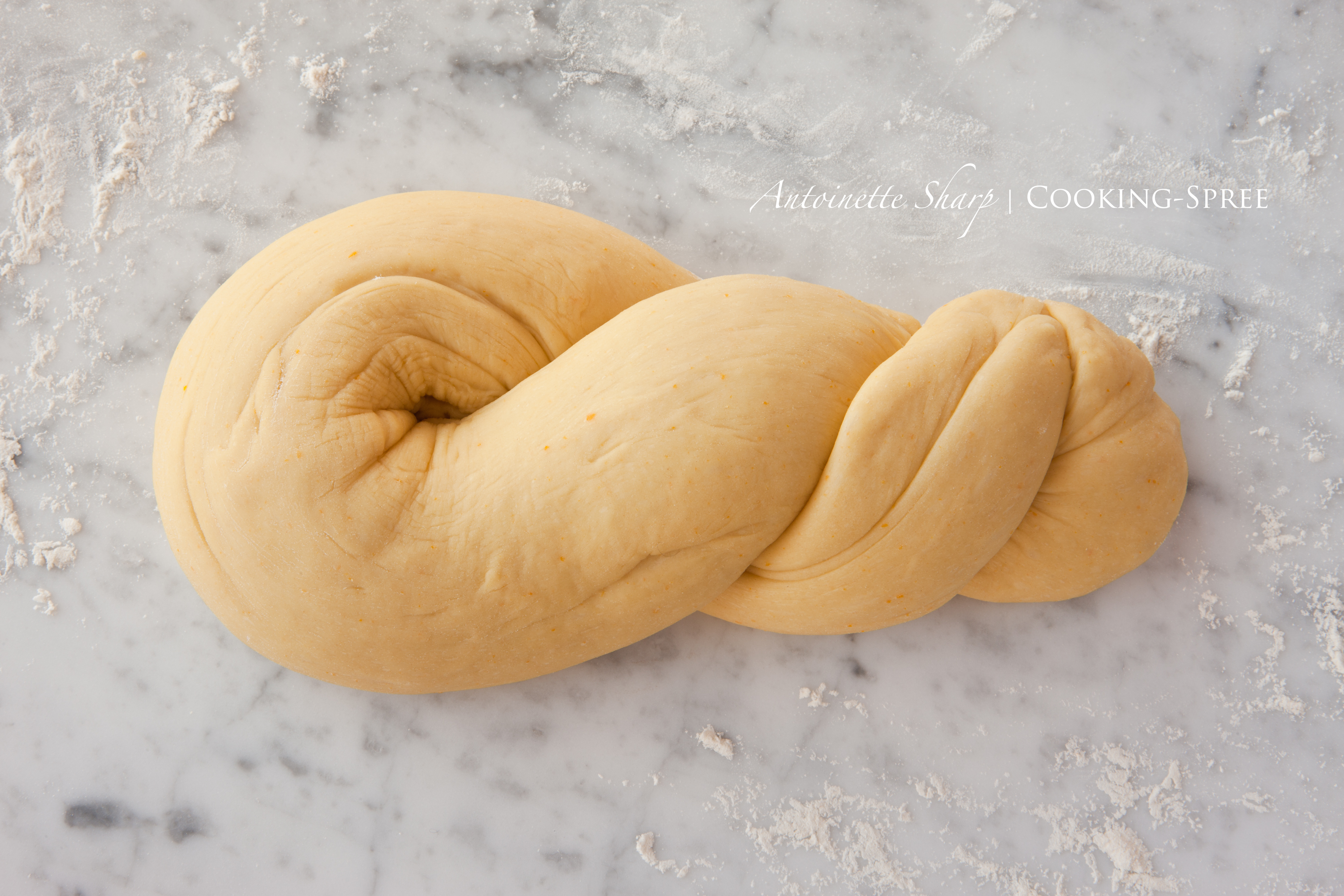
Turn the dough out onto a very lightly floured board. (Or if you like, you can lightly grease it instead.) Roll into a long rope with your hands. Pick up the two ends of  your ropes and set them down close to you. Now, just draw one end of the rope over the other, then under, then up over again. (All you’re really doing is making two complete twists.) Gently squeeze the ends together.

The halfway mark where you first folded the rope is where the egg will eventually nestle. But not yet. Place on a baking sheet lined with parchment paper. Cover and set in a warm place to double in size, another 40 minutes to an hour approximately.

Read more

spreezza!

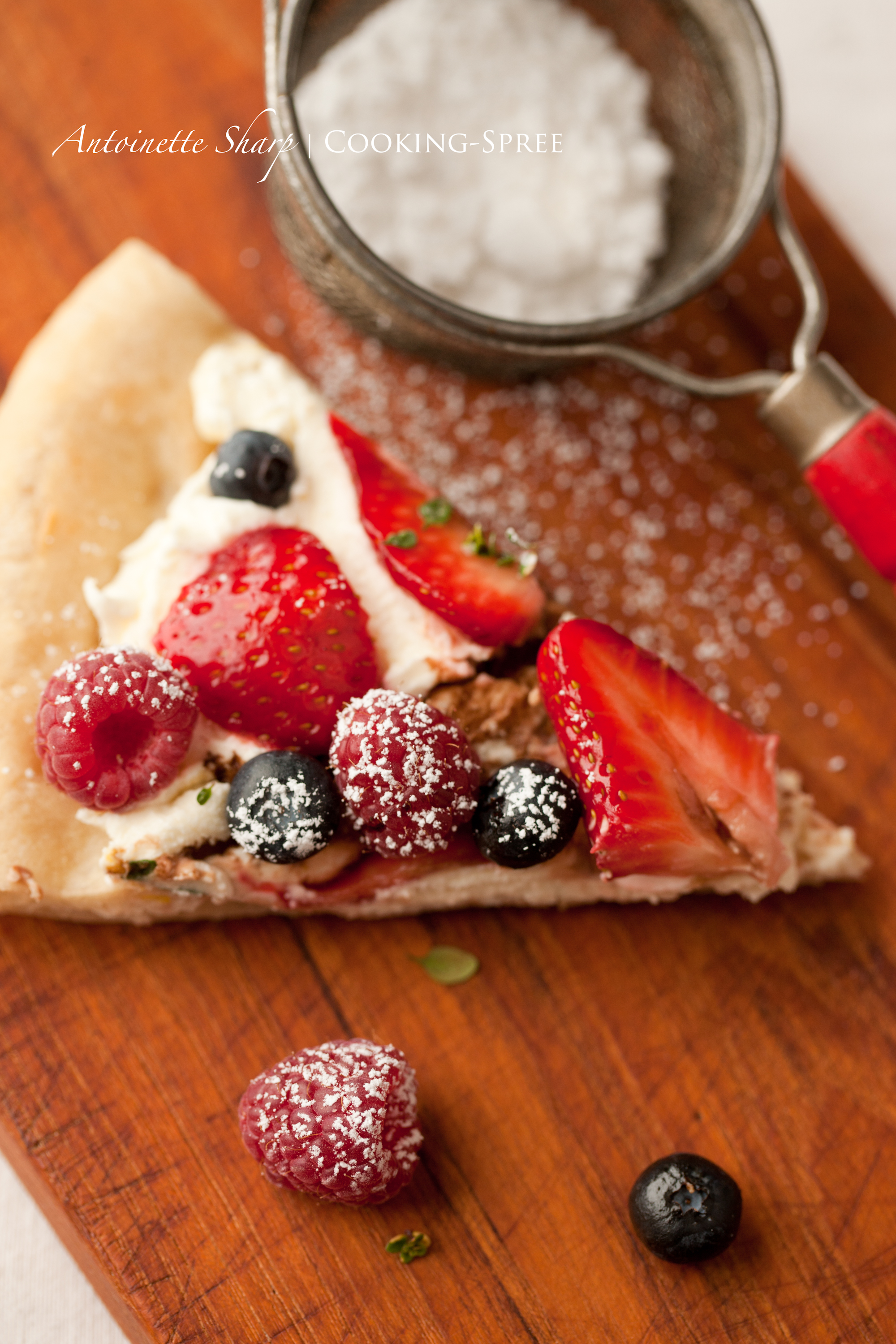
Oh, you’ve not heard of it? Spreezza’s that immensely popular little dessert pizza, covered with marscarpone cheese, topped with juicy fresh fruits, drizzled with  some delectable sauce or other, some even scattered with herbs. Oh, you’ve not heard of them?  I guess I must have made it up.

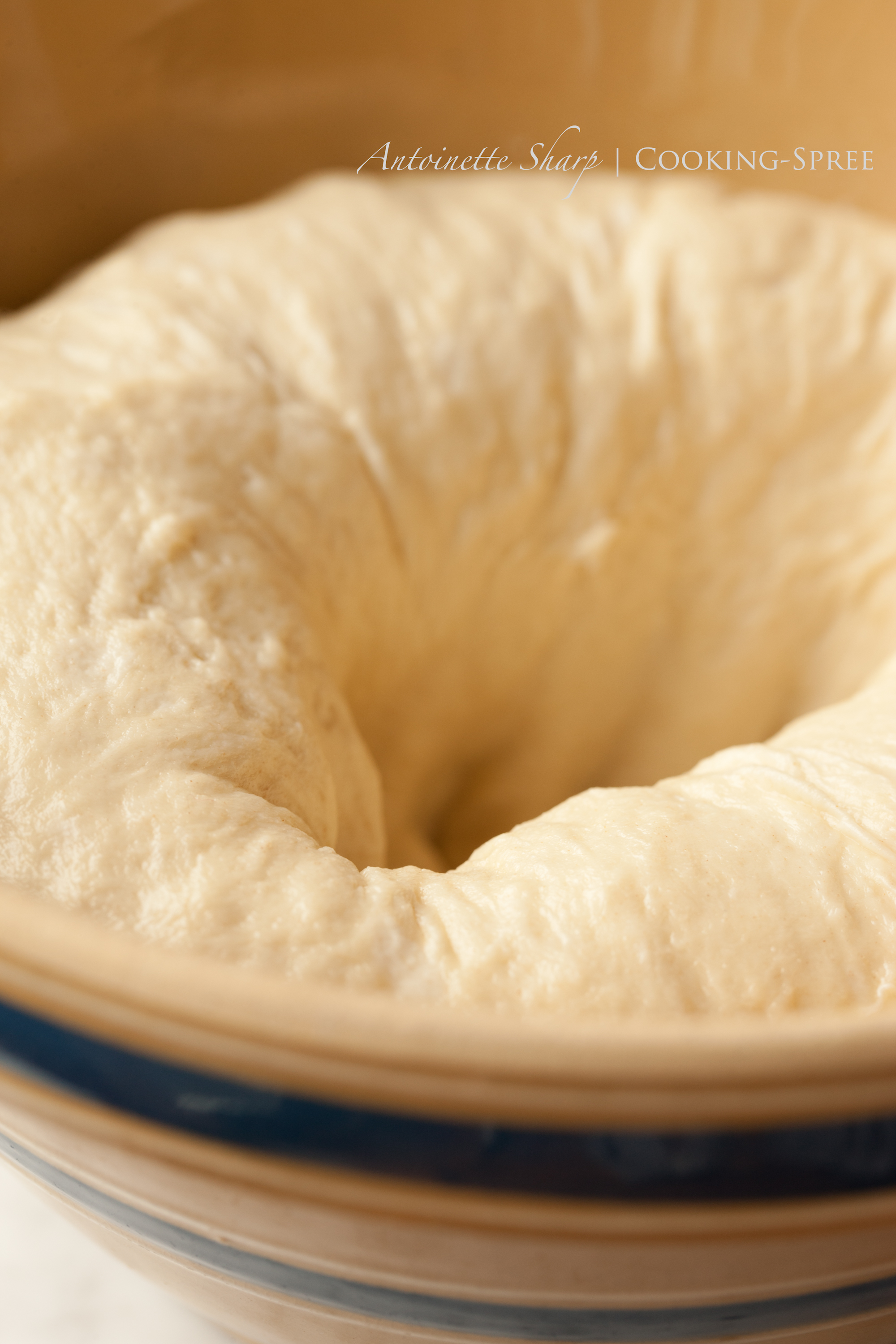
It begins with a good pizza dough….

This No-Knead Pizza Dough is bubbly, chewy, crispy and better than you’ll find at most pizza parlors. It can be used for ALL manner of pizzas – nothing at all about it restricts it to the dessert realm – in fact I’m the one who’s taken it there. It’s a take on the now-famous No-Knead Bread of Jim Lahey (owner of Sullivan St. Bakery in NYC) who introduced it a number of years back to rave reviews. I posted the bread late last year but if you missed the post and would like to take a look, you can check it out hereThis pizza dough, like the bread that inspired it, derives its wonderful complex flavor from its overnight fermentation. So the only thing you have to consider moving forward is to start it the day before you plan to enjoy it.

Now if you’ve got a hankering for a spreezza and you don’t want to wait til tomorrow, you can always begin with a store-bought dough (Trader Joe’s has a very good one), skip all this that I’m about to tell you about the dough, and move quickly to the spreezza recipe further down. But you might want to return to this dough another time, because it really is wonderful.

~ ~ ~

(Each of the following 10 to 12″ pizzas will make about 4 portions of dessert, 2 slices per person. About the same amount would hold true if being served for brunch with accompanying eggs and/or meats and other items. For breakfast, I’d allow more per person…maybe half a Spreezza per person. You can halve the recipe easily if you like. Or make the whole thing, break it into portions, wrap and refrigerate for up to 3 days to use in other ways…like a traditional pizza. Or stay tuned because I’ve got another fun idea coming up very soon! Flavor and texture of the dough will not suffer at all for the extra time spent in the fridge. If you want to wrap and chill ahead, just allow 2 to 3 hours once they come out of the fridge for unwrapped dough balls to rest before forming into pizza pies.)

No-Knead Pizza Dough

makes six 10″ to 12″ pizzas

(about 20½ hours, with only 90 minutes active time)

  • 7½ cups all-purpose flour (3 lb. 1.5 oz. or 1000 grams) plus more for shaping loaves later
  • 4 teaspoons fine sea salt
  • ½ teaspoon active dry yeast

Half recipe of the No-Knead Pizza Dough

makes three 10″ to 12″ pizzas

  • 3¾ cups all-purpose flour plus more for shaping loaves later (1 lb. 14 oz. or 850 kg.)
  • 2 teaspoons fine sea salt
  • ¼ teaspoon active dry yeast

Whisk flour, salt and yeast in a medium bowl. While stirring with a wooden spoon, gradually add 3 cups water (1½ cups if halving the recipe!). Stir until well incorporated. Mix dough gently with your hands to bring together  and form into a rough ball. Transfer to a large clean bowl. Cover with plastic and allow the dough to rise at room temperature in a draft-free place until the surface is covered with tiny bubbles and dough has more than doubled in size. About 18 hours time, though time will vary depending on the temperature of the room. 

Transfer dough to a floured work surface. Gently shape into a rough rectangle. Divide into 6 equal portions (or 3 if halving the recipe.) Working with 1 portion at a time, gather 4 corners to the center to create 4 folds. Turn seam-side down and mold gently into a ball. Dust the dough with flour; set aside on the work surface or floured baking sheet, and repeat with the remaining portions.

Let the dough rest, covered with plastic wrap or a damp kitchen towel, until soft and pliable, about 1 hour.

To Bake the Pizza Dough

During the last hour of the dough’s resting, prepare the oven. If using a pizza stone, place a rack in the upper third of the oven, put the pizza stone on it and preheat oven to its hottest setting, 500° – 550°F (260° – 290°C.) (If using a baking sheet, no need to preheat that.)

Working with 1 dough piece at a time, dust the dough generously with flour and place on a floured work surface. Gently shape the dough into a 10″ to 12″ disk (25-30 cm.)
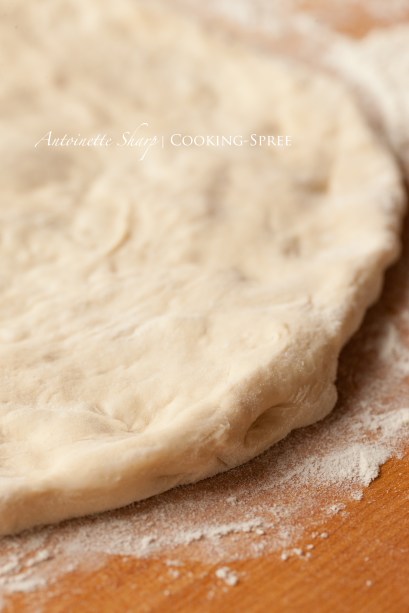
If using a pizza stone – Sprinkle a pizza peel or rimless (or inverted rimmed) baking sheet lightly with flour. Place dough disk on the peel or prepared baking sheet, and, using back-and-forth movements, slide pizza from peel onto the hot pizza stone. Bake the pizza, rotating halfway through, until the bottom crust is crisp and the top is blistered, about 5 – 7 minutes total. If using this pizza dough for a Spreezza, brush with melted butter when you rotate the pizza. 

Spreezza! 

(pronounced spreé-tza)

Now, here is where this whole thing turns so fun! I’ll give guidelines for 2 versions here. I’ll share others as seasonal fruits appear. This isn’t science. This isn’t hard-and-fast measurements. This is Playing with Food! 

for each 10-12″ pizza, you will want – approximately:

Marscapone Layer

  • Marscarpone cheese – 8 ounces
  • zest of ½ lemon (about 1 Tablespoon
  • Juice of 1 lemon
  • 2 teaspoons (to 3 tsp.) powdered sugar

Berries

  • Fresh strawberries – ½ – ¾ cup, sliced
  • 2 teaspoons (to 3) powdered sugar (for strawberries)
  • zest of ½ lemon added to strawberries
  • Fresh raspberries – ½ cup
  • Fresh blueberries – ½ cup
  • lemon thyme – a couple sprigs
  • blueberry balsalmic vinegar – or good quality aged balsamic vinegar
  • OPTIONAL: Additional Powdered Sugar, sifted – you may want this especially if you’re serving for dessert as opposed to a brunch or breakfast


~ ~ ~ Read more

a pizza-sorta

kinda Greek-a.

It all begins with our blogging buddy Chicago John’s Spianata. (He’s no stranger to many of you. But if somehow life has passed you by and you’ve never visited his warm Italian home kitchen, come in out of the cold, take off your coat, pull up a chair, smell what’s steaming on the stove and get ready for something like love at first sight.)

For the Spianata dough…if you follow the link above, it’ll take you right there, and John’s background on a dish is always nearly as savory and delightful as the dish itself. But I’ll also provide the recipe here so you don’t have to continually flip back and forth. It’s much like a focaccia, thick, dimpled, moist, pungently olivey. It develops its flavor slowly, with the yeasty “sponge” left overnight, and the dough finished the following day. The way I chose to make this dish is to bake the herb-scattered dough in a hot oven, adding the toppings when it comes out, still steamy hot – the sweet caramelized onions, the roasted small tomatoes, the leaves of baby spinach, the Kalamata olives, the shavings of Feta, and a scattering of Mediterranean herbs. Drizzled with a bit (more) olive oil and a sprinkling of balsamic – it’s sweet and savory and devastatingly delicious! 

The Dough

For the sponge

  • 1 cup flour (5 ounces)
  • 1 cup warm water (approx. 110°F)
  • 1 tsp active yeast

For the finished dough

  • 1/2 cup olive oil, divided
  • 1 tsp salt
  • 2 cups flour (10 ounces)
  • 1 teaspoons dried mint
  •  ½ teaspoon dried oregano

Pour water into a small-medium bowl and add the yeast; allow yeast to dissolve and for a bubbles to begin forming on the surface.  Add the flour to make the sponge, mix well, cover, and set aside at room temperature. The sponge should be allowed to rise for at least 8 hours but no more than 20. 12 to 16 hours is usually best. When you ‘re ready to proceed, the sponge’s surface should be mottled with bubbles and it should have a strong yeast scent. (yum!)

To the sponge, add the flour¼ cup of the olive oil and the salt. Knead dough for 5 to 7 minutes. The consistency of the dough should be neither sticky nor dry…the “test” I use is to grab hold of the dough with an open hand, hold it firmly for a few seconds…if when you remove your hand the dough almost wants to cling to it but releases without actually sticking, it’s about perfect. If not this, then add water by the drop-ful or flour by the teaspoonful.  It’s been kneaded enough when the dough is soft and supple, smooth and elastic, and when you press it with a knuckle the dough springs right back at you.) 

Place the finished dough in an oiled bowl, cover with plastic and allow it to rise until doubled – depending on the warmth of your kitchen and a couple other factors, this will take from 1 to 2 hours.  While the dough is rising, prepare all the other ingredients, for which you’ll find instructions below.

Punch the dough down, turn it out onto a floured work surface and cover with a towel. Allow it to rest for 15 minutes. This rest relaxes the dough, making it more pliable.

Pour the remaining ¼ cup of olive oil into a 9 x 12-inch pan, covering the entire bottom of the pan.

After the resting period, place dough onto the pan and, using your fingers, begin stretching it to fit the pan. When it covers about 2/3 of the pan, flip the dough over and continue stretching until the entire pan is covered and there’s enough dough to create a ridge around the pan’s edge. Cover with a towel and allow to rise until doubled again, about 1 hour.  20 Minutes before it’s ready, preheat the oven to 425°F.

Sprinkle with the salt and pepper, and 1 teaspoons dried mint and ½ teaspoon dried oregano. Place it in the preheated oven on the middle rack and back for about 25 minutes. It should be lightly browned. Remove from the oven and top immediately with the toppings in the following order.

The Toppings

Baby Spinach Leaves

Caramelized Onions

Roasted Tomatoes

Kalamata Olives (allow to come to room temp. or gently heated)

Feta Cheese (thinly sliced or crumbled)

a small handful of whole parsley leaves

Aged Balsamic Vinegar

A drizzle more Olive Oil

You’ll want approximately  1 cup each of the spinach leaves, olives, and feta. Instructions for the caramelized onions and tomatoes follow.

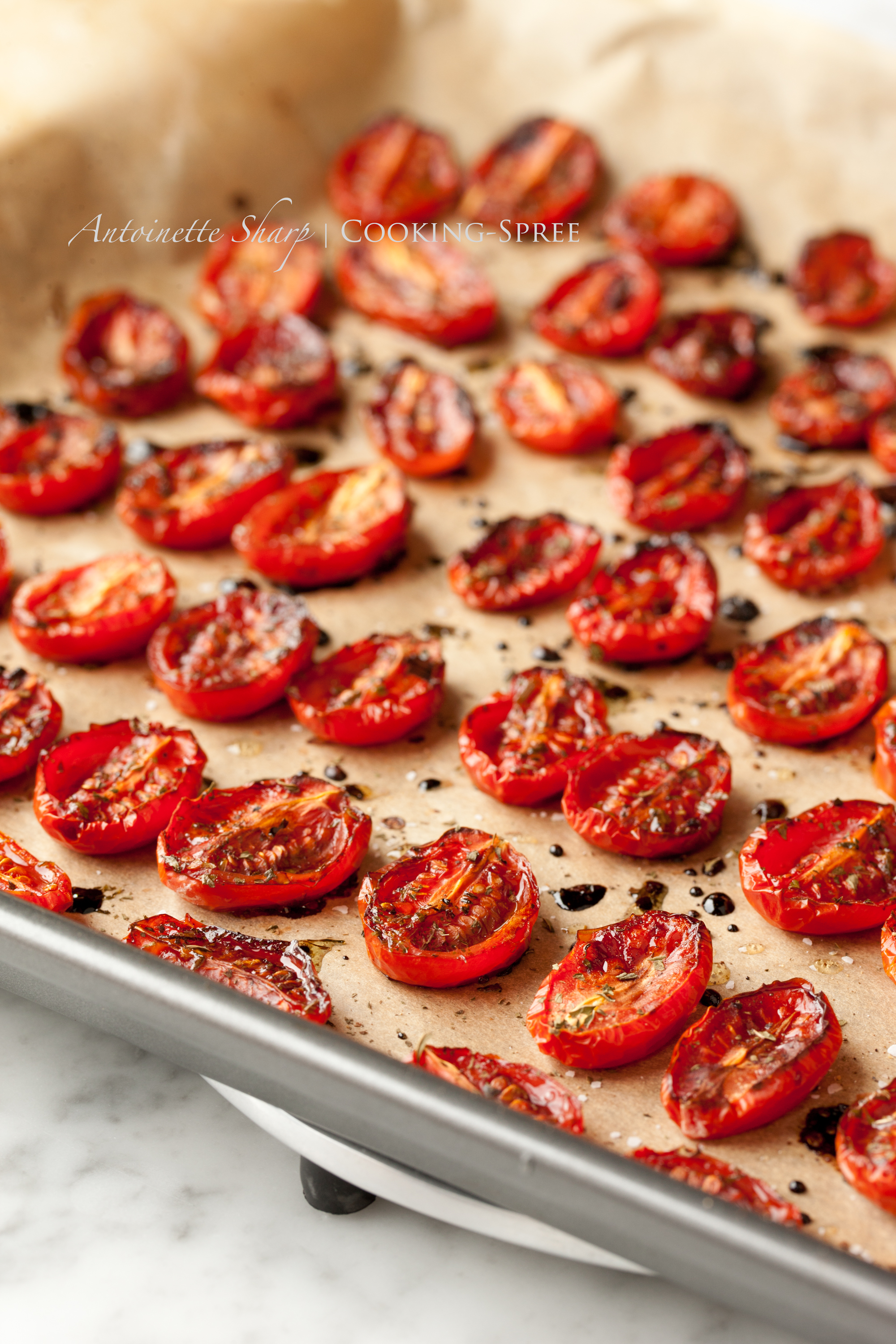
“Sun”-dried or Roasted Tomatoes

  • ½ pound to 1 full pound cherry tomatoes (1 pound will leave you quite a few extra to use as you like. They’ll keep in the fridge for at least a week.)
  • coarse sea salt
  • freshly-ground pepper
  • ½ teaspoon (or more) dried mint leaves
  • olive oil (about 2 teaspoons per pound tomatoes)
  • balsamic vinegar (about 2 teaspoons for 1 pound tomatoes)

Preheat oven to 375°F. Cut the tomatoes in half lengthwise and lay on a parchment-lined baking sheet, cut side up. Sprinkle with salt and pepper and mint. Drizzle the olive oil and balsamic over top.

Bake until edges have begun to brown and juices have started to caramelize beneath them. (About 30 to 40 minutes.)

Caramelized Onions (& Garlic)

  • 1 onion, thinly sliced
  • 1 Tablespoon olive oil
  • ¼ teaspoon sugar
  • ¼ teaspoon salt
  • 1 (or 2) cloves garlic, minced

Read more

a dinner for lovers

Yesterday’s post explained why this is what’s for our Valentines dinner…it’s quick and easy to prepare, colorful, pretty, sensuous, light in the stomach, delicious in the mouth. Tomorrow morning I’ll lay out a schedule for how to get it from kitchen to table in under an hour. That will be easy as pie if you just spend maybe 10 or 15 minutes of light prep work the night before. (Tomorrow or Sunday will also bring another option for dessert.)

~ ~ ~

A reminder of the menu:

To whet (& wet) the Appetite:

Passion Fruit Cocktails for Two

Stacked Crab Bistro Salad with Cilantro Lime Vinaigrette

Dinner:

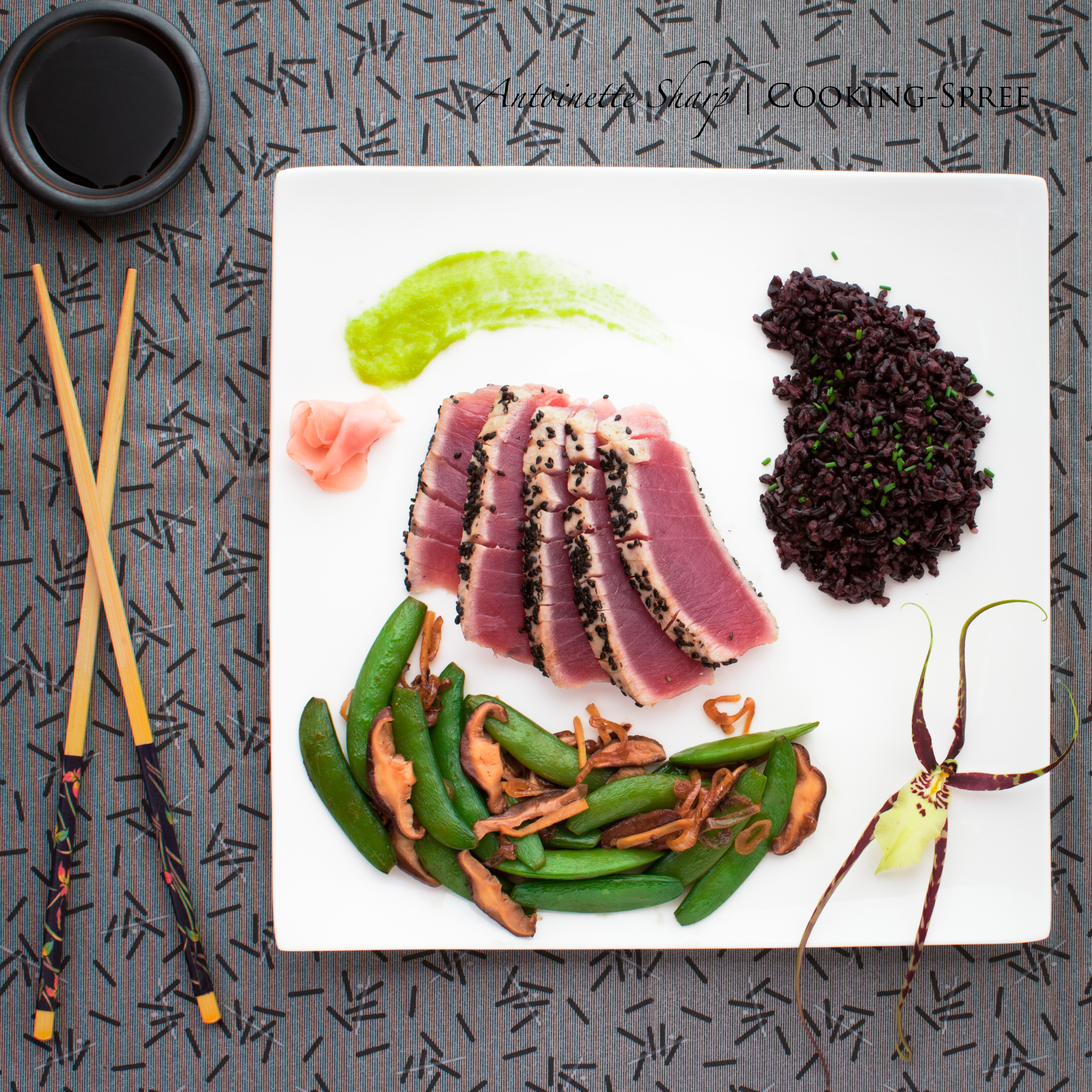
Seared Sesame-Encrusted Ahi Tuna

Sugar Snap Peas with Shiitake Mushrooms and Ginger

oh-so Forbidden Rice

Dessert:

a sweet multitude of options

~ ~ ~

A very little time spent prepping the vegetables the night before will make this dish a breeze.

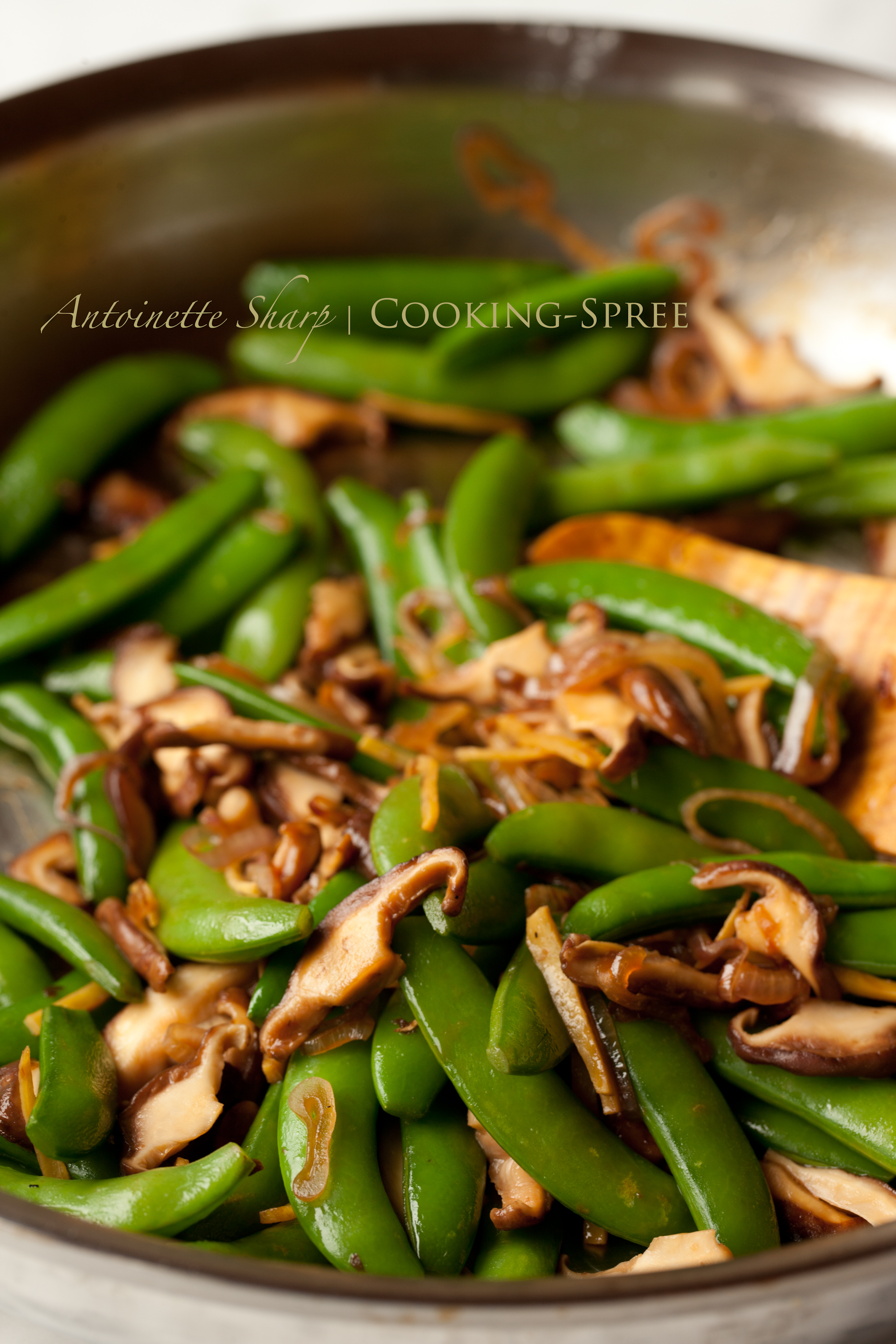
Sugar Snap Peas with Shiitake Mushrooms and Ginger

  • ½ pound sugar snap peas
  • 1 teaspoon salt
  • 2 teaspoons sesame oil (I love toasted sesame oil for this, but not necessary)
  • 2 teaspoons canola oil
  • ¼ cup thinly sliced shallots
  • ¼ pound shiitake mushrooms, (stems removed & discarded) – sliced
  • 1 to 2 Tablespoons ginger, thinly sliced & sliced again into matchsticks
  • 1 Tablespoon + 1 teaspoon soy sauce or Tamari
  • 1 Tablespoon cooking sherry
  • 1 teaspoon unsalted butter

Wash the snap peas and remove their strings, if any. Put a pot on to boil, add salt. Have a colander in the sink and a bowl of ice-water close by. When the water comes to a boil, add peas. Cook for only 1½ to 2 minutes. (You want peas to be bright green and crispy, nearly tender.) Empty into colander. Transfer peas to bowl of ice water for one or two minutes to cool. Remove from water. Place in a clean kitchen towel, and roll and pat to dry. (At this point you can put them in a plastic bag and put in the refrigerator if you’re preparing ahead.) Otherwise set aside as you prepare the other ingredients.

Remove the stems from the mushrooms and slice fairly thinly. Cut the ginger into tiny “matchsticks”.  (Whether you opt for 1 or 2 tablespoons is entirely dependent on your love and tolerance of spicy warm ginger.) Thinly slice the shallots.

Heat the canola and sesame oils in a good-size skillet over medium heat. When oil is shimmering, add the shallots and, stirring constantly, cook for 1 to 2 minutes.

Add the ginger. Stirring constantly, cook about 30 seconds, then add mushrooms, and cook for 2 to 3 minutes longer. They’ll have begun to release some of their liquid and have started to sizzle. Raise heat to medium-high and add the peas. Stir occasionally, allowing peas to be touched by bits of brown. Add the soy sauce and cooking sherry, deglazing the pan of brown bits. (Taste for salt, adding a bit more soy if needed.) Add a pat of butter, stir to melt and glisten the peas and mushrooms. Serve.

Printer-friendly version of the sugar snap peas, click here.

~ ~ ~

Ever hear of forbidden rice? It’s the deepest darkest shade of purple – like aubergine. Royal purple. With all its brilliant color (phytochemicals) it’s rich in antioxidants. (The stuff that protects our cells from free-radical damage.) It’s a whole-grain, even more nutritious than its brown cousin, but cooks in only slightly more time than its white relative. (About 30 minutes.) I suppose it was chosen for this menu for obvious reasons. How can one not be a little tempted – at least intrigued – by what’s labeled forbidden? It got its name in ancient China when it was grown and harvested and fed to only the Emperor. Anyone caught with purple grains between his teeth was summarily executed. Well, perhaps I’m playing loose with the facts there, but it makes a rather dramatic story. And a great introduction for a side dish for lovers. (It’s not on every market’s shelf, but some of the better-stocked markets will carry it. It costs more of course, but it’s not prohibitive…a small bag will make enough rice to feed 8 to 10 and cost about $5.00.)

oh-so Forbidden Rice

(will serve 4)

  • 1 cup forbidden rice
  • 1¾ cups water
  • ½ teaspoon salt
  • 1 teaspoon butter
  • optional: 1 teaspoon chicken bouillon (I like Better than Bouillon – concentrated, natural good flavor)
  • chives, finely chopped

Bring water to boil, add salt, butter and bouillon (if using.) Add rice, stir, return to boil, then lower temperature to simmer. Cook on simmer for 30-35 minutes. (My simmer took 35.) Turn the heat off and allow pan to sit for 5 minutes or so before removing the lid. Fluff rice with a fork. Return the lid if not serving immediately. Before serving sprinkle with chopped chives.

Printer-friendly version of the rice, click here

~ ~ ~

Read more

passionate valentine martini

Let me preface the post by saying what you all already know. I am no mixologist. (If you’re looking for a man who knows his spirits, that would be Greg, affectionately known as Rufus. He and wife Katherine would welcome you with open arms if you’d like to pay them a visit.) And then there’s my blogging buddy Smidge  (who has a perfectly beautiful  blog!) – Smidge published a post today of a gorgeous blood orange martini. Completely out of my league,  I go barreling forward! I don’t know a lot about drinks, but I do know what my mouth likes, and my mouth loves this.

We have a favorite restaurant in Portland. Nuevo-Peruvian, Andinas.  They offer a sumptuous menu of foods you won’t find prepared quite like this anywhere, outside Peru;  theirs is a diverse menu, reflecting the diverse cuisine of a country that is on the sea, in the Andean mountains, and on the wide high planes. Andinas offers something for every appetite and every palate.  The walls there are  painted in russets, oranges, mahogany and deep purples;  hung from them are gorgeous photographs of Peruvians in brilliantly woven textiles, large hats, heart-splitting smiles! It’s noisy. It smells divine. Service is wonderful. And there’s this drink that I think I come close to dreaming about. It’s name is sacsayhuamán.  Shall I give you a minute while you try to pronounce it? Or shall I just tell you everyone calls it Sexy Woman, which comes awfully close.

Pureed Passion Fruit ~ Habañero-infused Vodka ~ Sugared Rim

I’m afraid that’s all I know about it…apart from the fact that it manages, like no drink I’ve ever had,  to be slightly sweet, slightly tart, a teeny bit  h o t, very cold and very sexy. Do you ever shudder with delight over the taste of something? (Please tell me I’m not alone in that!)  So it seemed right that I play with it a bit at home, tweak it just slightly to make it even prettier and just the thing to be sipped with your valentine.

Several years ago we went on a hunt for pureed passion fruit. I checked every local market before going on-line. We found several sources, but from what we could tell they all manage to be quite expensive. (That is, if you think $75 dollars is too much to pay for shipping!) But on a recent trip to a local market, I found the whole fresh passion fruits all snuggled up against the papayas and star fruits.  I picked up a slew of them and brought them home to ripen. They’re odd things…ripe when they turn from a beautiful smooth greenish-purple to a deeply wrinkled, dried-up (or so it seems) purple handball. These are on their way, but not yet ready.

When they’re ripe, you open them up and find it’s mostly seed in there, with a little pulp, but a perfume escapes that’s so floral and exquisite you want to slurp it on the spot, no spoon.

Scoop out the contents and push through a sieve, holes small enough to hold the seeds back, large enough to let the pulp and juices through. It’s worth working hard to get every delicious bit.

Then, the tweak, add the deep red of blood oranges and you’ll have most of what you need for a ~

Read more

where do you look for sunshine?

When rain in Seattle or Portland makes national news, you know things are about as bad as they get here. Standing water on freeways, drains unable to keep pace with the deluge,  stretches of highway closed, even a few small towns along rivers evacuated. We get grey days, and mostly gentle (and occasionally incessant) rain here, but not monsoons that turn umbrellas inside out and flood boots with the rain that falls fast down our jackets.  I was hydroplaning down the freeway about 10 miles an hour below speed limit, heading toward a long (and long-overdue) coffee date with a dear friend. Carolyn had been out of town for more than a month and I’d missed her. I was thinking of her sunny self as I tried to see through the waterfall that was my windshield. I was thinking too about where it is we go looking for sunshine when our eyes and skin are hungry for it.

Carolyn and I sat drinking our large steamy cups of chai, catching up with the parts of each other’s lives we’d missed. And then, from beneath the table she brought out a canvas banana with a zipper along one side. “Bananagrams,” she said. “You’re going to love it!” She spilled the tiles onto the table, and we turned them over, letters face-down,  as she explained how the game is played. Carolyn was right of course, my friend knows me. From here on out, along with my camera, Bananagrams go where I go.

~ ~ ~

Not long ago I’d visited a fellow-blogger  – Violets and Cardamom – and was struck by her pretty mango lassi.  It was lovely.

Today, I winged my own with several changes. Knowing the deliciousness of the pairing of mango, coconut, ginger, lime, cardamom and banana, it was a simple matter to drop them into a blender, whir them up, pour them out, and stick a straw into a glass of gleaming sunshine.

Read more

a simple post on a simple, luscious soup

dear readers, after the last two posts and all those   w o r d s   I must have bored you to teary yawns! Don’t think I don’t care about such things. I’m the first second to recognize you deserve a break!

So here, just one simple recipe, one photo and very few words from spree.

(I can’t launch into this recipe without first telling you –  I am so incorrigible! – that a recent study names beans as one of the top food categories implicated in promoting brain health into old age. The recommendation was for one to two servings per week (at a minimum.) Along with them,  the “super foods”. You know the ones.)

So, with very few words, may I simply offer you a bowl of luscious, comforting, healthful and delicious soup? Here, first…let me swirl my best olive oil on it. You deserve nothing less!

Chickpea Soup

4 servings

  • 2 cups (300 g) dried chickpeas
  • 1 medium onion, chopped
  • 1 garlic clove (or 2), chopped
  • 1 bay leaf
  • 1 fresh thyme sprig
  • a good pinch of cumin
  • a good pinch paprika
  • Chicken stock or vegetable stock (water is ok)
  • Salt & white pepper to taste
  • Your very finest olive oil (the one you’d serve the queen, or your future mother-in-law)

A day before, soak the beans in a large bowl. Fill with fresh cold water by several inches, and allow to sit overnight.

(I recently read – in Cook’s Illustrated – that if you add a ribbon of Kombu seaweed to your dried beans, you can actually do without the soaking, and it has a way of eliminating some of the side-effects as well as improving the texture of all beans cooked with it. I’ll try that next time. Too many words!) Read more

bread for tomorrow – the no-knead loaf

Did you know that ¼ teaspoon of yeast can rise a loaf’s-worth of dough just as well as a tablespoon? It’s true. It will simply take longer for it to do so. But there’s a real beauty in that. The old adage good things take time applies. With each extra hour the yeast grows, it adds incredibly to the flavor of the finished loaf. So, though some recipes for home-baked bread will have you adding nearly a tablespoon of yeast, and sugar for it to feast and grow quickly on, and have you rising the dough in a warm place, that’s meant for your convenience and to hurry the process. If you slow it down, you’ll love what happens!

This may be the easiest – and possibly one of the most delicious – breads you’ll ever bake. Start it today, finish it tomorrow, and there will be curtain calls and encores in your future! Do I exaggerate? Occasionally, I have, yes. But here, no.

For full-effect, a true Dutch oven is required f or this. Cast iron is best because it creates its own highly-conductive little furnace to bake the bread in. Higher-end brands like Le Creuset or Staub are lovely and come in many colors. But just as effective here are non-enameled (lidded) cast iron pots that you might see hanging over a campfire. The latter are inexpensive but require a bit more care in the cleaning, curing and preventing of rust. Always nice to have options though.

I’m sorry to repeat myself, but a digital kitchen scale makes this process so much simpler too, and with fewer things to clean up after. (See preceding posts if you haven’t already.)

This method (ingenious really) was first developed and introduced to us several years back by Jim Lahey of Sullivan Street Bakery in New York City. Since its introduction, this No-Knead method has rather revolutionized home bread-baking. Without terrifically expensive ovens (the kind of which are almost never seen in home kitchens), this bread’s crust wasn’t reproducible at home before. You can see for yourself though, loaves reminiscent of old-world bakeries can now emerge steamy and fragrant from our own rather ordinary ovens.The secret lies in the steam that’s created and contained within the Dutch oven as the bread bakes.

This bread will cost you the equivalent of 3 cups of good-quality flour. We won’t calculate the cost of ¼ teaspoon of yeast or a spoon of salt. Let’s just say this gorgeous bread costs less than a cup of coffee or tea (even a very bad cup.)

Let’s get started.

No-Knead “Artisan” Bread

and you are the artist!

  • 3 ¹⁄3 cups (430 g) flour (either all-purpose or bread flour)
  • ¼ teaspoon instant or active dry yeast
  • 2 teaspoon salt
  • 1½ cups  + 2 T (390 mL) water
  • Extra flour, wheat bran, fine cornmeal, as needed for dusting

a NOTE on the weight measurements, this primarily for the readers in the States who are as yet not as familiar as we will one day be with metrics. One beautiful thing about the metric system is that grams and mL’s are virtually interchangeable. In other words 100 mL’s of liquid will weigh 100 grams. Don’t you love that? That makes it possible to weigh out water measurements instead of the more approximate method of filling a glass measure where “a tad above-the line, below the line, eye-level” all makes a difference. Weighing is exact, every time.  (If you have a scale, it will likely convert US measurements to metric with a button-push, but just fyi 430 grams =  15.2 ounces.)

In a bowl, mix the flour, yeast and salt. Stir in the water to blend. If using a scale, place bowl on scale and zero it out. Add 430 grams flour. Add yeast and measure out salt. Zero the scale, and add 390 mL (or grams) of water. Mix loosely. (It will finish the process of blending as it sits.) What you’ll have will be a bit wet, shaggy and messy-looking. Cover bowl with a tea towel and allow to rest (and grow!) for 12 to 24 hours. (If you choose a cooler place, the process will likely take 18 to 24 hours. Room temperature, more like 12 hours.) When the dough is dotted with bubbles and very alive-looking, you’re ready for the next step.

Only 1/4 teaspoon yeast…amazing right?

Generously flour a work surface. Dump the contents of the bowl out onto it.

See all the strands of gluten that have formed while you’ve ignored your dough? This is what will create pockets to contain the gas.

No need to knead, but simply fold the dough over on itself several times. Cover it with a clean towel and allow it to rest for 15 minutes. (Dough that rests like this is much more workable.)

(This next step feels so good!) Using only as much flour as needed to prevent the dough from sticking to your fingers, shape the dough as follows:

Fold in thirds (as if you were folding a letter for an envelope, one fold, then another.) Rotate the loaf, then fold each longer end in again. (You’ve made roughly a square shape with rounded corners.) What you have facing you is the seam that will open later, upon the final rise in the oven. 

After the first two folds

After the last two folds. Ready to rise.

Lie another towel on your counter and cover with a generous amount of flour, wheat bran or fine cornmeal and then place the dough on it, seam-side down. Be sure the flour extends beyond the borders of the bread as it will be growing. The reason for the generous amount of flour is that you do NOT want the bread sticking to the towel when you go to invert it into a hot Dutch oven.  Dust the dough with a little more flour then cover with a tea towel and allow to rise about 2 hours. In these two hours the bread will have more than doubled its size.  Read more